Archive for the 'Cumbia' Category

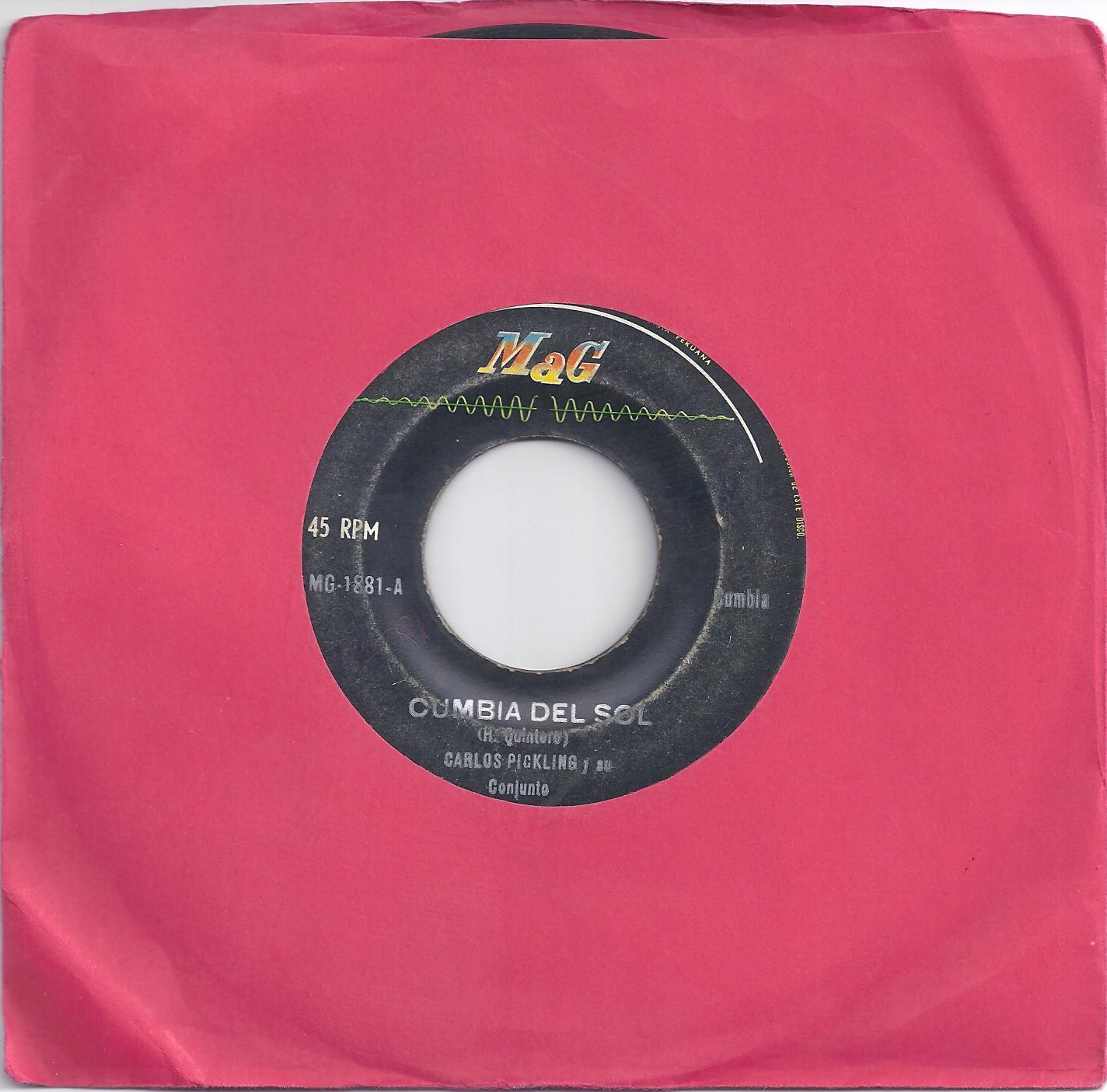
Day 6: Carlos Pickling y Su Órgano Electrónico

Un saludo al gran maestro Peruano Carlos Pickling y todos los sonideros Mexicanos que tocan su rolas chingonas. Sin y con rebajada. Andale!!!

1. Carlos Pickling y su Conjunto: Cumbia Del Sol

2. Carlos Pickling y su Conjunto: Noche De Estrellas

3. Carlos Pickling y su Conjunto: Cumbia Del Sol (rebajada)


Day 4: Lisandro Meza

It would come as no surprise that singer and accordionist Lisandro Meza was catapulted to major stardom in 1980/90′s Colombia. Starting out as a modest vallenato musician (accordion heavy cumbia) to being part of the Discos Fuentes super-group Los Corraleros de Majagual - Lisandro would solidify his career by modernizing the vallenato combo sound. Through the combination of electric bass, congas, and an introduction of brass instrumentation -  Lisandro Meza would become a national hero as both composer and performer.

The thing you have to understand is that salsa became the dominate Latin American music in the 80′s and 90′s, if not the world. Groups like La Sonora Dinamita really changed up the cumbia sound of the day, with a larger brass and vocal sections - most likely to compete with their salsero contemporaries of the time. The only difference is that Lisandro Meza moved even further away from the 2/4 and 4/4 cumbia beat and in essence created the new genre of vallenato-salsa. This is evident throughout the music presented in this post with the  syncopated patterns, the introduction of montuno sections (Dejame Llorala) and the use of non-traditional cumbia instruments (steel-guitar ect).

I have not gone to any dj gigs without these 3 45′s in the last 2 to 3 years. These songs can really get the dance floor going. The vallenato began as small town party music and in my opinion Lisandro Meza has never lost that edge, even when upgrading the genre. On a side note, I’ll be doing a La Sonora Dinamita post sometime this month. Ill elaborate on their super stardom aswell. Please enjoy!

1. Lisandro Meza: La Pergola

2. Lisandro Meza: El Siete

3. Lisandro Meza: Dejame Llorarla

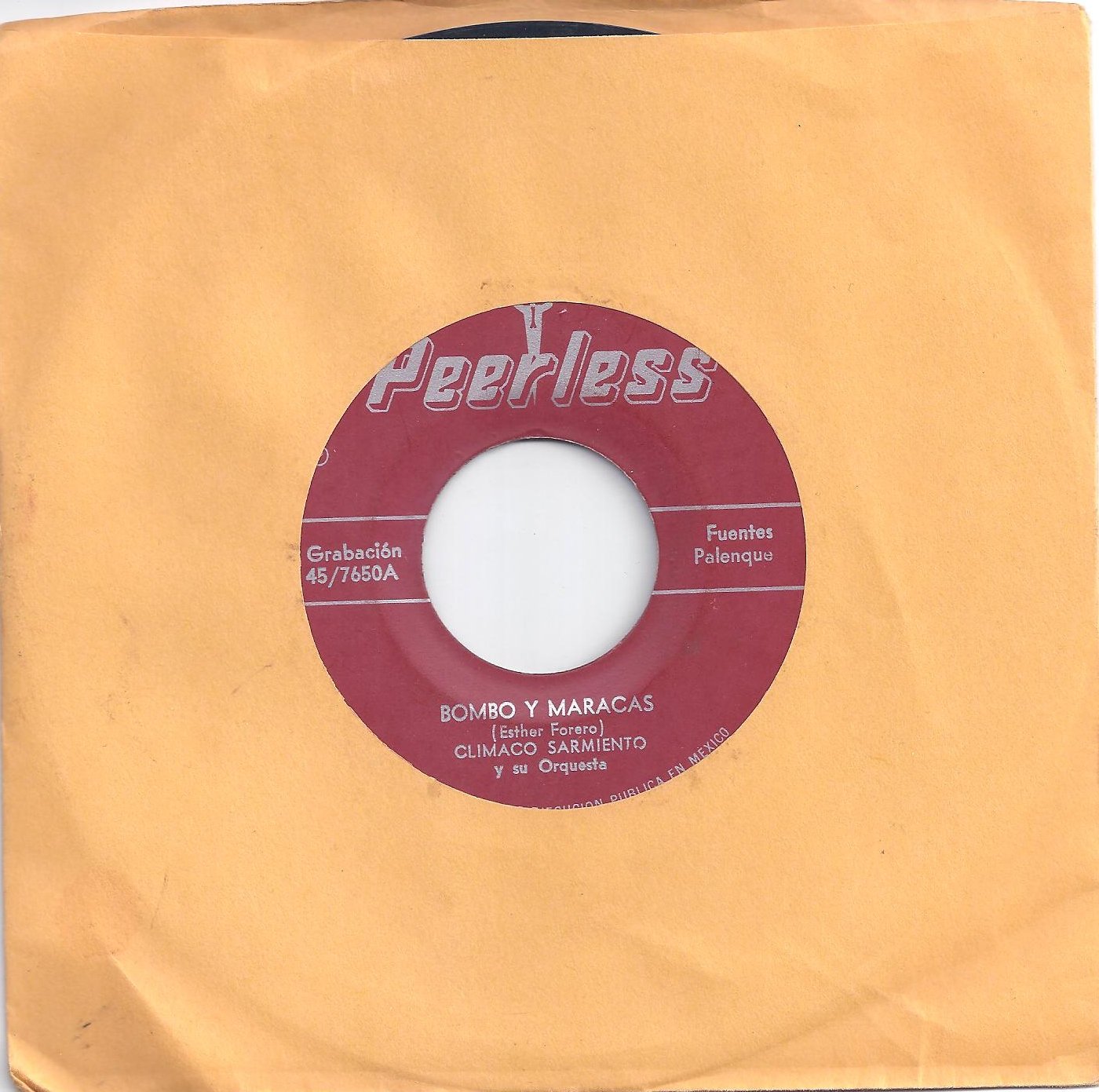
Cumbia De Ramón Ropaín

Ramón Antonio Ropaín Elías was born in Río Frío in 1920, and was raised in Ciénaga, Magdalena, Colombia. He studied both piano and pharmacology, traveling to the United States for a time, before returning to Colombia in the 1950’s and settling in Barranquilla, where he became the piano player in the orchestra of Lucho Bermúdez.    He composed, amongst other pieces, the classics, Cumbia Bonita, La Danza de la Chiva, and Cumbia Gitana, and led his own conjunto and orchestra for many years. He passed away in 1986.

Composed by Lucho Bermúdez, Ropaín’s rendition of Cumbia las Fichitas (also known as Gaiteando), is a beautifully understated piano driven cumbia. The simplicity and class of
Ropaín’s playing bring to mind the recordings of Peruchín or Noro Morales in the Afro Cuban model, stripped of all accompaniment, save the rhythm section and the piano. The lack of brass, woodwinds, or accordion make for a particularly intoxicating and trance inducing cumbia, as Ropaín’s gentle touch on the keys glides effortlessly through the interplay of the maracas, güiro and tambora.  Its energy is substantially enhanced by multiple false endings, which increasingly raise the intensity level. This is a Mexican pressing on Son-Art, licensed from the Colombian label, Discos Tropical. Great for the sala or the salon!

- Marcos Juarez

1. Ramón Antonio Ropaín Elías: Cumbia De Las Fichitas

Acid Sonidero Mix con Dj Lengua

Entry #2 in our “Exitos” mixtape series is “Acid Sonidero” by DJ Lengua, or Eamon Ore-Giron as he’s known to his parents. A DJ, producer, and artist (whose work has been exhibited frequently, including at LACMA), Eamon has bounced up and down the Americas, having lived in Peru, DF, SF, and now LA (he’s originally from Tucson). One of the founders of Club Unicornio, the late, great San  Francisco monthly, he’s now one of the forces behind the always-fun Mas Exitos, which takes place the first Thursday of every month here in LA.

I met Eamon (and his rad wife and fellow artist Gina Osterloh) at a bar in Pasadena during Euro ’08, and since then I’ve watched him put on excellent solo art shows, release the killer Cruzando album (get it here), and organize great events like a screening of El Mundo de Los Pobres, the rare 1986 film that stars chicha legends Los Shapis. So it’s an honor to have such a busy person take the time out to make a mix for EPR, and “Acid Sonidero” is fantastic, a mad mix of drowsy drops, washboard rhythms, and bass for hips, ending with a sample from Dr. Dre. It’s a crazy flight through the  Andes up to Mexico City, with a trip back home to California. Thank you Eamon!

Taken from Echo Park Records

Amor a la Mexicana

I just wanted to post the full Panamérika show for you. It seems that the interview got picked up by the Ibero 90.9 FM, which is a private college radio station in Mexico City. The funny thing is, there is a ton of pretty awesome record dealers right next to the Ibero (Universidad Iberoamericana) – I’ve come up huge there in the past, so this post has come full circle so to speak. Anyway, I’ve been getting a lot of accolades from the Mexican blogosphere – twitter for the most part. So thank you for all the love. Also, I wanted to drop some Mexican cumbia while I had the opportunity. All you Ibero kids remember, di no a las drogas!!! Disfrútalo!!!

1. Los Supersonicos Del Ritmo: Escucha Juventud

2. Panamérika.fm: Programa 142 (large file)

Panamérika.fm

When a man by the name of Uriel Waizel emailed me from Mexico City wanting to do an interview at my house, I have to admit that I was a bit skeptical at first. For a while now, I have been familiar with the online radio/tv station he works at: Panamérika.fm - they have spoken about Super Sonido in the past, so that wasn’t the problem. The dilemma I had, was if Uriel was even going to show up to my house or not. Now if you have ever lived in Mexico City (which I have), you’d understand that there are two completely different ideas of time. Gringo Time, where one hour means one hour - and Mexican Time, where one hour can mean a day or two. And sometimes you have to take an appointment with a grain of salt.

Nevertheless, Uriel showed up at my house - and yes, on time. Please go check out my interview at Panamérika.fm if you can. I had the great pleasure of hanging out, drinking, talking, and listing to some great music with Mr. Waizel and his wife. His love for really obscure cumbias made me like this Chilango instantly. Anyway, I wanted to take the opportunity to drop some of the more obscure tracks that you can hear in the interview. Also, I want to take the time out to thank them for coming over, braving my freezing flat and listening to me rant for 3 hours – you guys are awesome. Enjoy!

1. Los Bobby Soxers: Aguardiente y Limon

2. Tita Duval y su Cumbianba: Cumbia a Go Go

3. Lemaire y su Klan: Mar y Sol

4. Los Teen Agers: La Gaita Marciana

Day 14: Cumbia in the U.K.

Rick from Manchester England sent these two to me. Some awesome Colombian music by way of England. He didn’t actually write anything about them, just sent me the Mp3′s and images. But totally appreciated nonetheless. I’ve never heard these two. Hmmm….what else was I going to say?….oh yeah…Enjoy!

1. Nacho Peredes: El Diablo De La Musarana

2. Carlos Roman: Swing Columbiano

Day 13: Cumbia con Organo

If cumbia began as a form of low-brow Latin American music, then it would be considered even a step lower when accompanied by the organ. If it weren’t for the infectious down tempo - it would be more like listening to music in an ice skating rink.

It nevertheless acts as a good substitute for the accordion. Only an organ could pull off the melancholy sound that is given with these 45′s. On a side note,  this sound is very popular in Mexico – especially with the sonideros in Mexico City. More like a hotel lounge acts than anything else - which was probably the case since it would be difficult lugging a huge organ around. Tulio Enrique Leon appears to be Mexican (or his label suggests) – but a great cover song of Colombian Lucho Campillo’s Cumbia Del Monje.

Next few days = guest posts. Stick around, relax, enjoy!

1. Camacho Y Cano Y Su Conjunto: Cumbia de la Melochita

2. Tulio Enrique Leon: Cumbia del Monje

3. Los Picapiedra: La Hossa

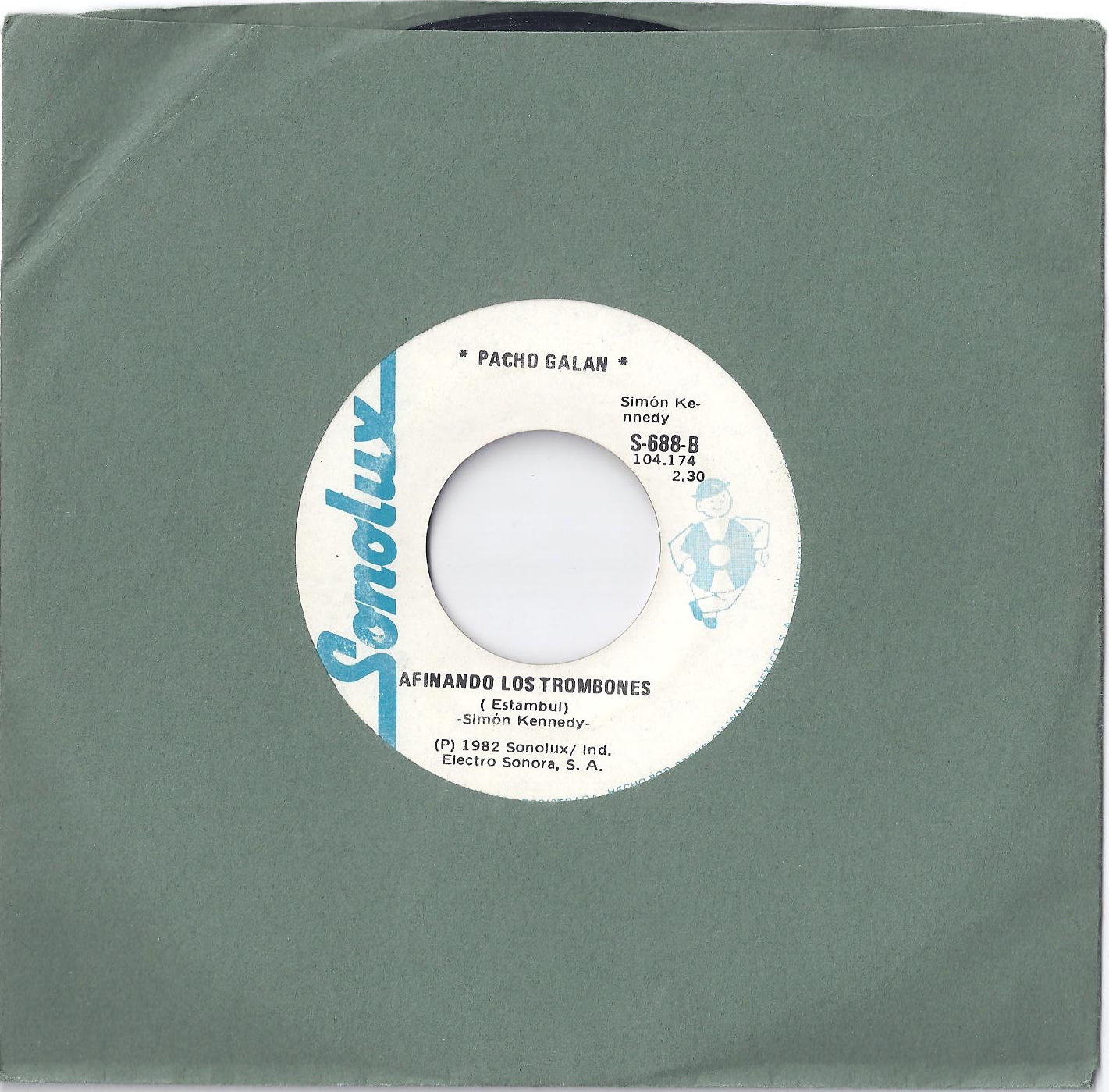
Day 11: Cumbia con Jazz

Can you see that I’ve been doing for the last 3 days? Anyone want to guess what I’ll do tomorrow? Well whatever it is, I promise it will be more extensive than this post. More swing than jazz – but I gotta run! Work and dj gig tonight. Go go go!!! Enjoy!

1. Pacho Galan: Afinando Los Trombones

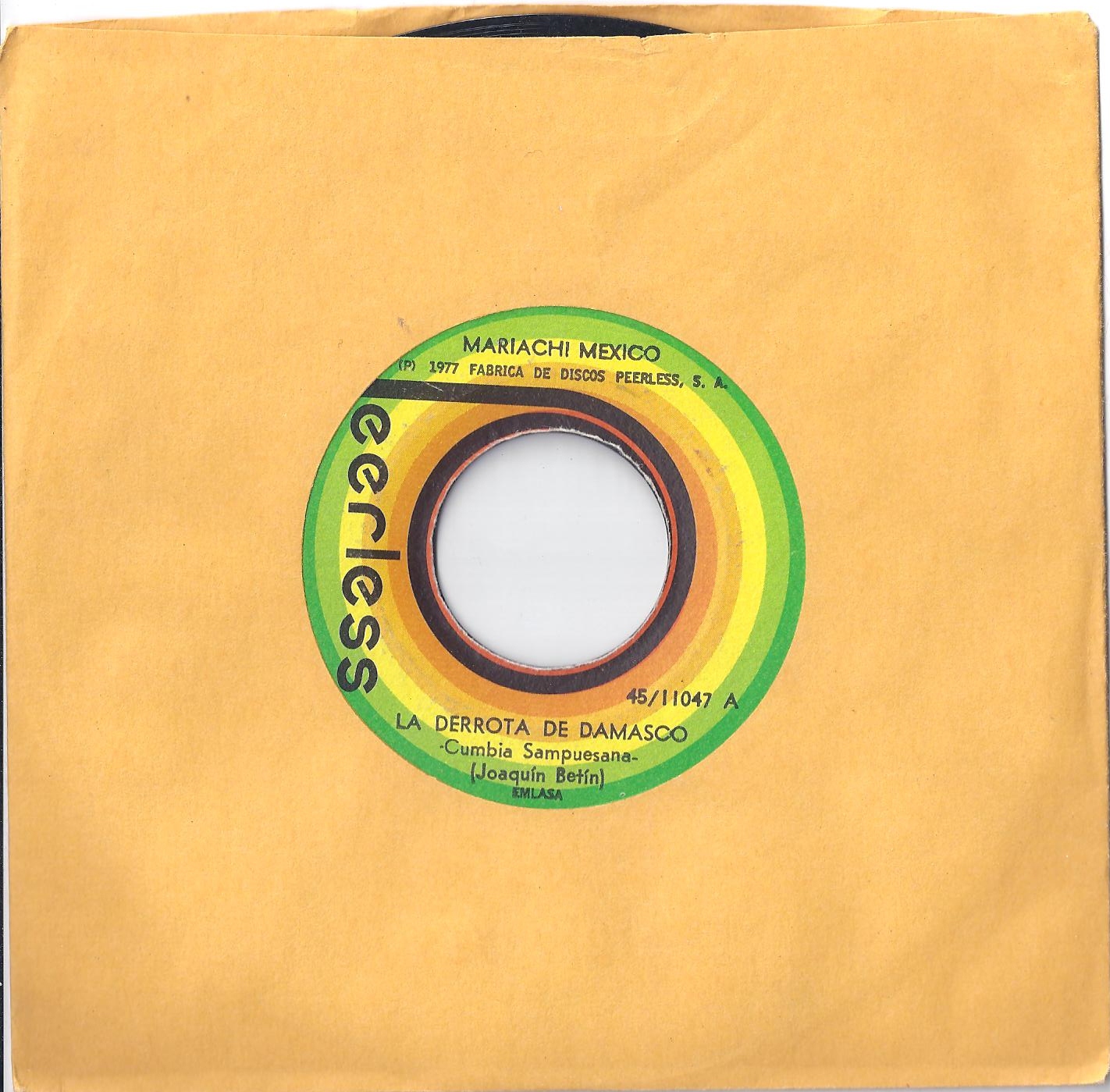
Day 10: Cumbia con Mariachi

Like my prior post, I’m pulling out all these hybrid crossover 45′s of the cumbia genre. However, I don’t have much to say about this track. In fact, I’m not even sure if there existed a band called “Mariachi Mexico” – seems like kind of a generic name. Also the song title is a bit odd, La Derrota De Damasco (The Road to Damascus?), possibly a mariachi standard?  The music still sounds good and they do a great cover version of the Cumbia Sampuesana. Anyhow, cumbia and mariachi - I can’t really same more than that. Enjoy!

1. Maricahi Mexico: La Derrota De Damasco

Day 9: Cumbia con Arpa

In Colombia, Los Llanos (the plains) are the vast agricultural lands of savannah that stretch all the way to Venezuela. Both the vallenato and cumbia originated in the northern Caribbean coast - whereas a different type of music from the plain region developed around the instrument of the harp. Musica Llanera, or so it’s called, never really got the attention that other musical genres did of the day. However, Ernesto Torrealba seems to have melded the two genres together quite well.

Cumbia Sobre El Llano is a quasi-reflection of what typical Musica Llanera is about: music with a rhythmic drive and vocals that verge on over sentimentality. But what other instrument can actually sound like the wind hitting the brush and savannah like the harp can? Possibly a testament of how bounded a music is to its own environment. Enjoy!

1. Ernesto Torrealba y su Conjunto: Cumbia Sobre El Llano

Day 7: Cumbia for Stoners

This 45 was given to me by my uncle in a bag along with some Michael Jackson records, a Los Destellos record, and another equally perplexing yet amazing 45 by a guy named Luis Bullion, which sounds like something Allan Vega would make if he was from Peru.

Anyways, I asked my uncle where he got this one but his memory was fuzzy. He seemed to have had it in his closet since the 70′s. I couldn’t find any info on the Centro Musical de San Jacinto other than the fact that San Jacinto is a town in the province of Ancash in northern Peru and that Oscar Araunjo was apparently the band leader. I love it because it has such a unique style, equal parts huayno, huaylash, cumbia, free jazz, and hard-core especially with the fuzzed out guitar/bass! I provided rebajada versions to for all you cumbia stoners. Provecho

- Dj Lenuga

1. Centro Musical de San Jacinto: Flor De Liz

2. Centro Musical de San Jacinto: Cumbia De Rosita

3. Centro Musical de San Jacinto: Flor De Liz REBAJADA

4. Centro Musical de San Jacinto: Cumbia De Rosita REBAJADA

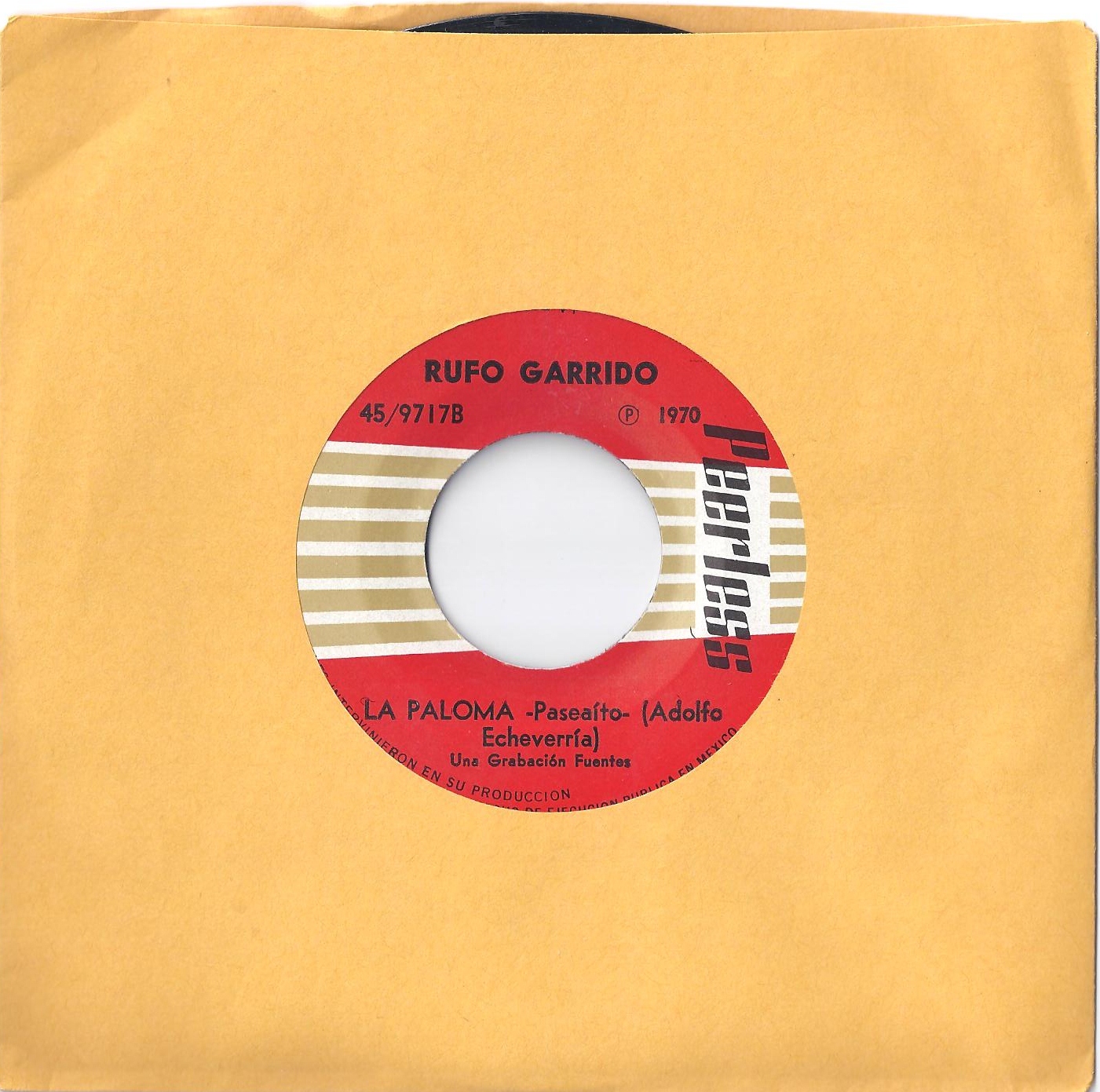
Day 2: Big Band Cumbia with Rufo Garrido

Around the 50′s and 60′s saw the dawn of big band cumbia, working its way from the countryside of Colombia into the urban middle classes. With that came  a less rural, more textured sound, which was usually accompanied by the clarinet (swapping the flauto de millo). This new form of cumbia, for the most part, would stay true to the original spirit of the rural Cumbia. However, the big band sound would present different melodic arrangement that was reflected in other popular genres outside of Colombia in that era (Mambo, Cha Cha, Ect).

I suspect that Rufo Garrido’s musical style took on a similar metamorphosis. The first two songs I put up sound almost like Los Corraleros in their big orchestrated sound. Whereas the last, Negra Chunga, stays true to the more minimal folkloric sound that preceded the big band era.  Rufo  Garrido records are hard to find. He seemed to have been a session performer for Discos Fuentes and shows up on a lot Fuentes compilations. The 45′s I have are 70′s reissues from Mexico and  the last song is off an LP (sorry I didn’t put the image up – didn’t want to break from the ”all 45″ thing I got going). On a side note, about a year ago Rufo Garrido’s relative (his grandson I believe) wrote me asking if I could put up some of his songs. So this one is for you. Enjoy!

1. Rufo Garrido y su Orquesta: Se Baile Asi

2. Rufo Garrido y su Orquesta: La Paloma

3. Rufo Garrido y su Orquesta: Negra Chunga

Two From Dj Lengua

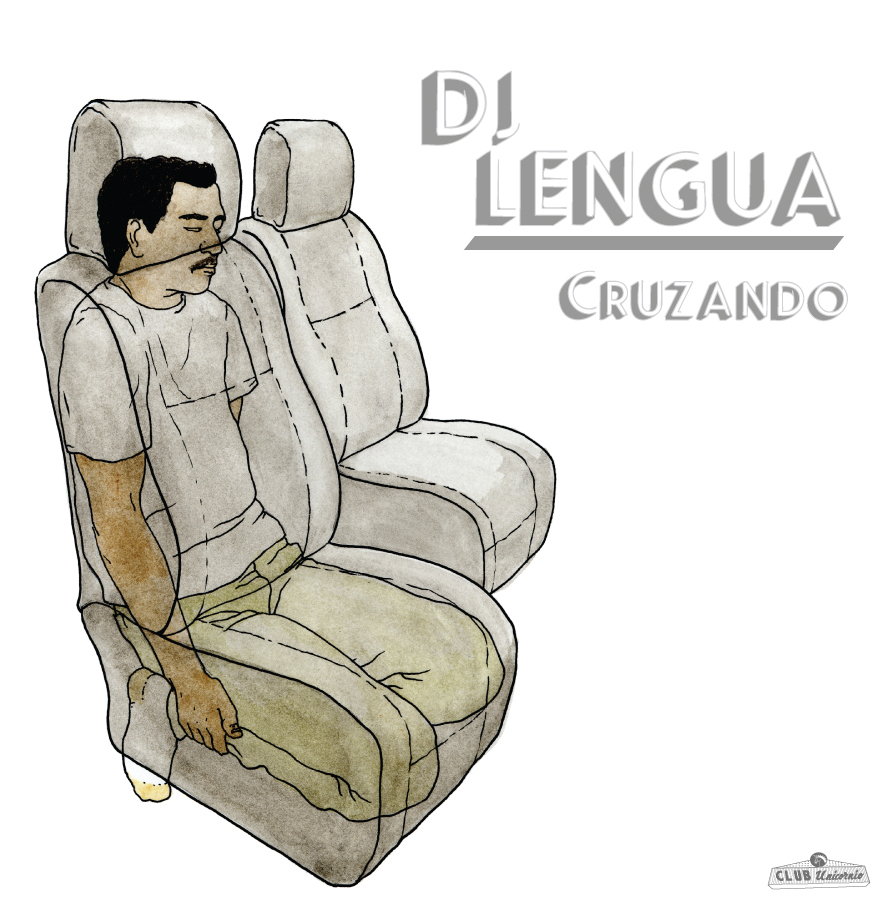
I wanted to start the New Year off right by throwing up some free downloads from Dj Lengua’s new 7 song EP release Cruzando. Usually I try not put up anything from my label (Unicornio), I like to keep it separate from my audioblog. But Eamon (Lengua), suggested that I  should offer a few tracts for free while I was out of the country  – so here we are. This is probably our best album/release to date. Juan Data from the Hard Data did a good article on Dj Lengua, you should check it out if you want more info on the record. Also, you can purchase the vinyl directly from our distributor or turntable lab if you wish. You can also email me at sonidofranko@gmail.com if you have questions about the record. Happy New Year everybody! Enjoy!

1. Dj Lengua: La Jungla

2. Dj Lengua: Frontera

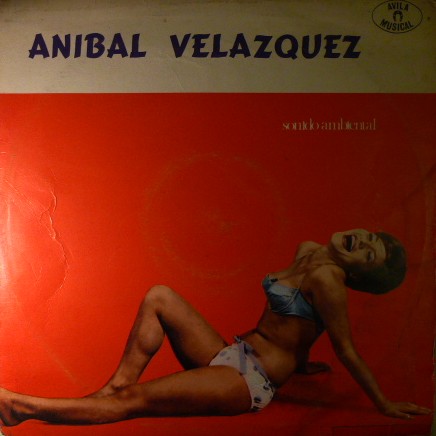
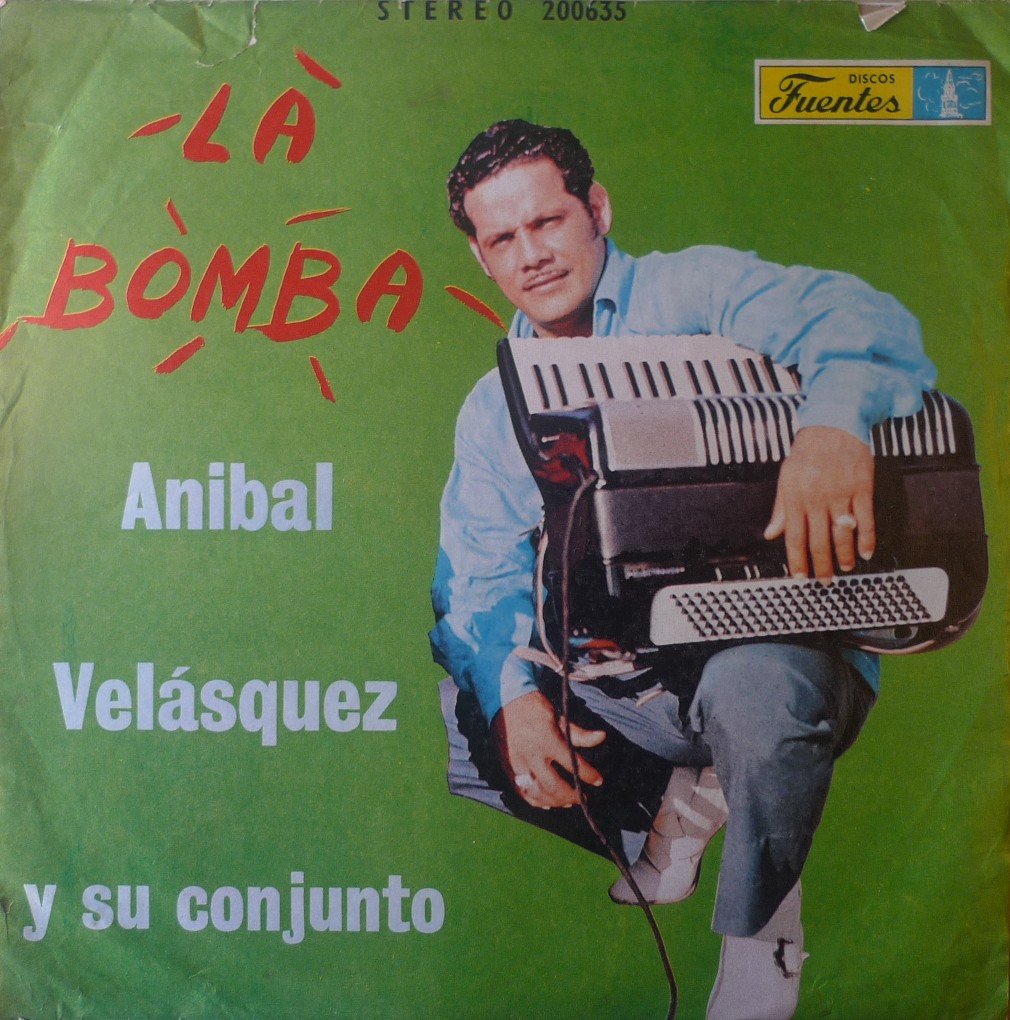
Anibal Velasquez Revisited

Be sure to check out my earlier post about Anibal Velasquez along with the PR kit from Analog-Africa’s release. So I’m really not going to get into much detail this time around. I just picked up this album recently and I couldn’t resist putting it up. I’ve had the song Mira Como Es on a CD for quite some time now, but I’ve been looking for the vinyl forever. The only problem is that my CD version is a slowed down Rebajada Mexican flea market mix. Although awesome, the quality isn’t the best. I posted the songs I liked the most and I intentionally slowed down the track Sabor A Costa for all my Mexico City sonidero fans. Gozalo Gueyes!!!

1. Anibal Velasquez: Mira Como Es

2. Anibal Velasquez: Sabor A Costa

3. Anibal Velasquez: La Carcajada

4. Anibal Velasquez: Sabor A Costa (Estilo Rebajada)  

La Guarapera

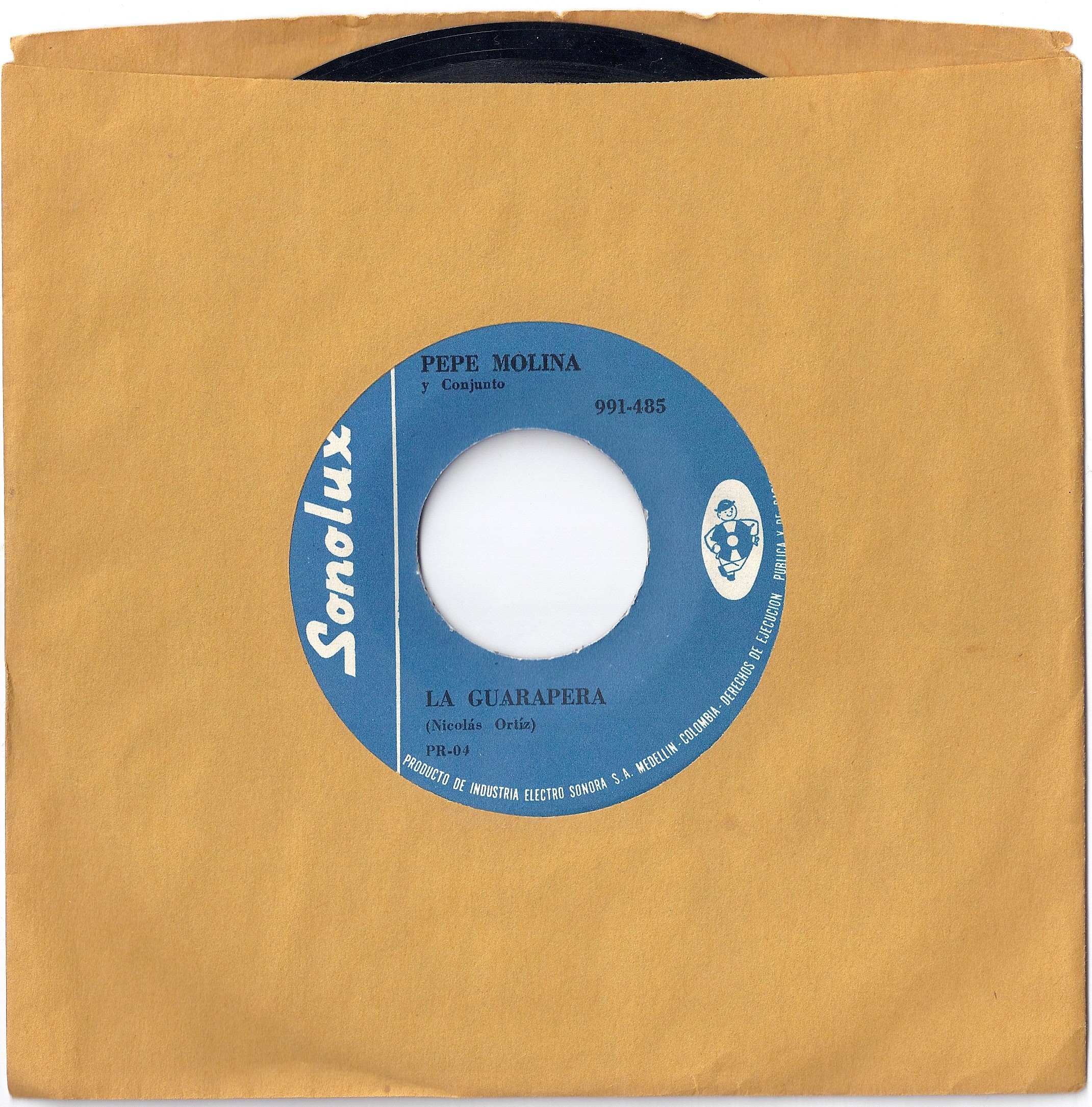
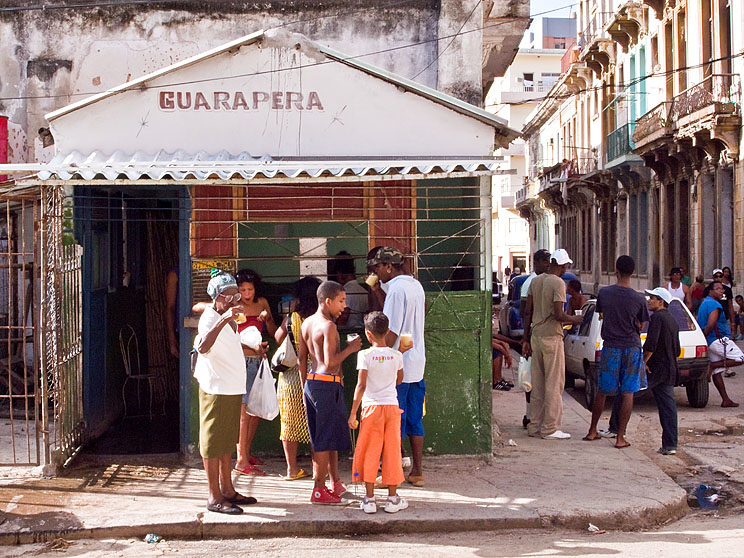
Guarapo is a common Latin American iced drink made from cane sugar (jugo de caña). Although it can be found from South America to Mexico, the name is actually West African in origin: meaning “fermented drink”. The beverage is very popular in Cuba and Brazil. La Guarapera is the person/mobile vendor who makes the guarapo, usually from extracting the juice from an old hand press. That’s pretty much all you need to know. Delicioso!

1. Pepe Molina y Conjunto: La Guarapera

2. Los Demonios De Corocochay: La Guarapera


Chicha 45

I got hit listening to a bunch of Peruvian reissue records lately, which in turn made me want to post a few of my own Chicha gems. If I had to explain this new renaissance in Cumbia music though, in its most simplistic way, is that all this popularity is not without merit. The music is great and I am happy to see interest in this genre of Latin music. I myself have to tip my hat to Eamon Ore-Giron (Dj Lengua) – if  he hadn’t had all his aunts and uncles running around Lima Peru buying records for him, I would have never really been in tune to this genre 10 years ago. So in whatever form it comes in, it is all warranted.   

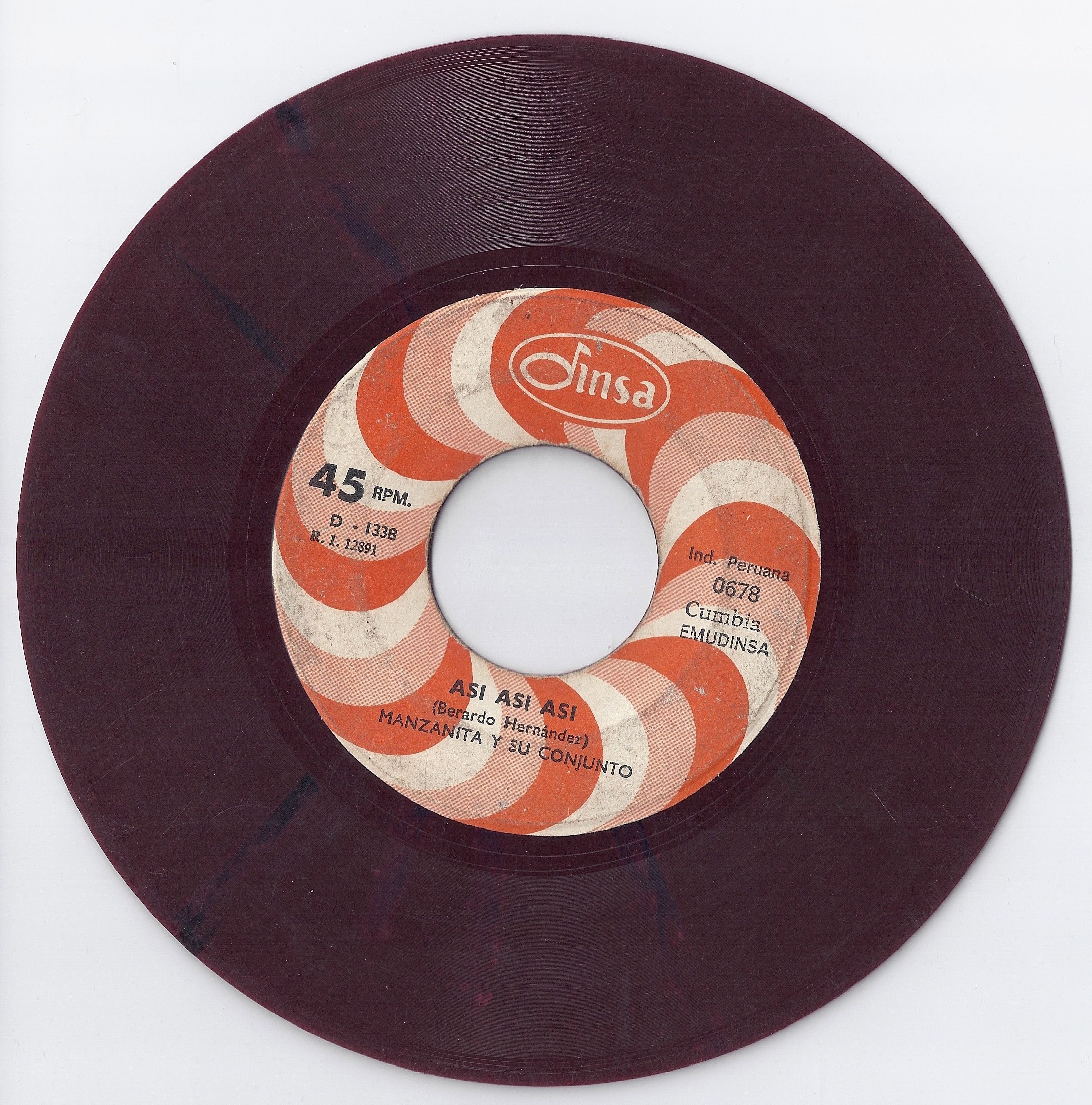
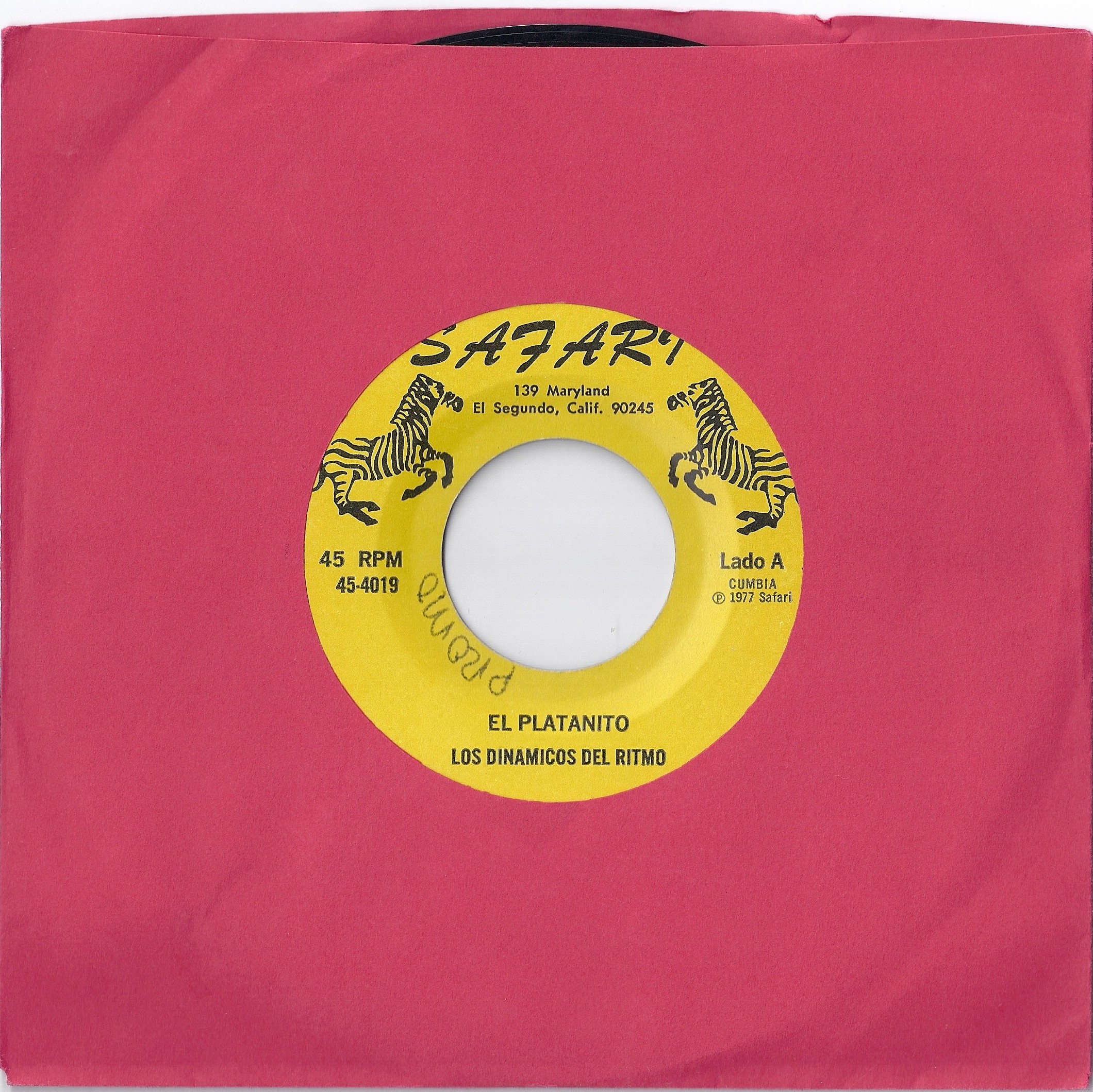
All in all, some pretty awesome songs in this bunch. If you note, I started with the more popular groups to the more obscure one’s. Los Mirlos are the godfathers of Amazonian Cumbia and they really do justice to Hugo Blanco’s “Cumbia Con Arpa”. The only song that isn’t from Peru is from Los Dinamicos Del Ritmo (Mexico maybe), yet they have that tripped out guitar sound down pretty well.  Not sure if Los Vagos De Paramonga are any relation to Los Orientales, but they rip-off their song “Lobos Al Escape” in some new direction. Lastly, cumbia that seems politically topical is also quite common in this genre. Take the song Vietnam on the Do Re Mi label (Huayño acts tend to show up on this one). Although there is no real indication of why Los Pankis would have used that name for the song, I get a feeling that it’s possibly a Huayño view of the outside world -  sympathetic view of the downtrodden? or something that might sell a record? Who knows? Asi, asi, asi!!!

1. Los Mirlos: Cumbia y Guitarra

2. Juaneco y Su Conjunto: La Cumbia De Los Cuervos

3. Manzanita y Su Conjunto: Asi Asi Asi

4. Los Sander’s: Si Ya Te Vas

5. Los Vagos De Paramonga: La Muerte Del Lobo

6. Los Pankis: Vietnam

7. Los Dinamicos Del Ritmo: El Platanito


Ranil y su Conjunto Tropical

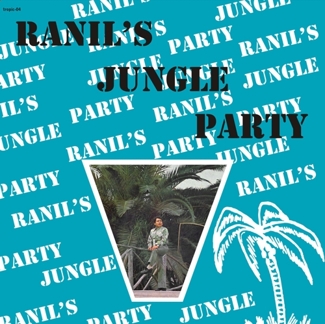
I must be getting the same press kits as Oliver at Soul-Sides, some PR outfit sent me the Roots of Chicha 2 aswell. But be sure to check out Soul-Sides Cumbia article, O-dub kind of nails it - with respect to the resurgence/popularity of the cumbia genre. The one I really liked the best was Ranil’s Jungle Party. Pretty awesome Amazonian Cumbia from the people at Light In The Attic Records  -  they were nice enough to let me download the whole album. Thanks guys! I’ll pretty much let them do the talking.  I selected the song I liked the best from this really obscure artist. Highly recommended album. Enjoy!

1. Ranil y Su Conjunto Tropical: Cumbia Sin Nombre

More info for this record can be found here: Masstropicas

Deeply funky psychedelic-surf guitar jams from Ranil y Su Conjunto Tropical (Ranil and his Tropical Band). Ranil’s Jungle Party (re-released for the first time by folks at Masstropicas and limited to 1,000 copies) brings back from the past the much loved popular music of Peruvian cumbia.

For the uninitiated, Peruvian (or Amazonian) cumbia was to Peru as Tropicália was to Brazil—a 1960s – 1970s popular music style that mixed (often irreverently) traditional music with those of African and the West. Hailing from the Belen district of Iquitos, nestled within the heart of the Amazonian rainforest, Ranil and Co. were definitely digging on some Western Surf music while keeping alive the traditional highland “huayño” dance music.

On Ranil’s Jungle Party, Ranil and his Tropical Band keep things in a mellow, funky mood with some heavy psych-surf guitar workouts. The result is a style mash-up not unlike that of African “Juju” or “High-Life” music, popularized by the incendiary Stratocaster guitar playing of King Sunny Adé. In fact, think of Ranil’s Jungle Party as King Sunny Adé jamming with some Andes dudes while on vacation in Peru. Dig?

Stand out tracks include “Marlenita” with its highly melodic guitar riff and frenetic percussion and “Chinito rulo” which grooves in an Eastern drone / psych fashion and the beautifully melodic electric 12-string of “Tus cabellos”. It’s largely an instrumental affair but Ranil steps up to the mic for “Denuncia a tu Pátron”, “El manicero” and “Carbonero”.

Masstropicas worked with Ranil on this vinyl LP re-release (his records were originally produced and released by himself on his own label) and we look forward to more in the future.

Los Gaiteros De Funk

It’s in the Caribbean coastal region of Colombia where the origins of the cumbia ensemble or the conjunto de gaitas began. However, unlike most popular Latin American music - the gaita was not just the amalgamation of African (drums) and European (lyrics) traditions – but it also fused an Amerindian ( flute) element as well.

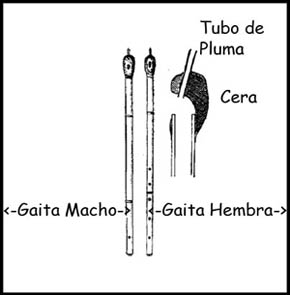
Folkloric groups from the Atlantic region of Colombia still perform this early genre of cumbia to this day. Consisting of a very deep sounding drum choir - the bombo, the tambor macho, and the tambor hembra.  Accompanied by some wild sounding flutes: flauto de millogaita macho, and the gaita hembra. It’s this Amerindian sound that the big band style cumbia seems to have removed later on, replacing these folk clarinets (fashioned from cane) with brass ensembles. I partially don’t blame them in trying to modernize the sound, sometimes this form of gaita music can be almost too idiosyncratic to listen to.

With that, I went a step further and included some tracks in this post that blend this traditional form of Colombian music with a more contemporary sound. The results are pretty amazing. From big band cumbia, to funk, to a cover of Rod Stewart’s “Do You Think I’m Sexy”. I can contest, with heavy rotation, that most these songs have been pretty effective on the dance floor. It keeps the people moving and I’m always constantly being asked where this music is from. Anyway, sorry for the lack of posts lately, I’ve been super busy. I’ll try to get some more good music out this month. Like always…Enjoy!         

1. Los Gaiteros De San Jacinto: Magdalena Ruiz

2. Cumbia Siglo XX: Los Esqueletos

3. Pedro Beltrán: Puyalo Ahi

4. Rafael Machuca: La Batalla De Flores

5. La Cumbia Moderna De Soledad: Cres Que Soy Sexy

El Expreso de Medianoche

I was a guest on KALX with El Roger Mas. Check out our all organ Latin set. You can hear me talking @ 14:00 minutes into it. Man I sound like a little kid. Enjoy!

El Expreso de Medianoche

Carlos Pickling—Cumbia Morena
Mariachi Nuevo Tecalitlan—Cumbia Arabe
Chicken y Sus Commandos—Cumbia Sampuesana
Los Aragon—Mar y Sol
Mario y sus Diamantes—Quena
Negros de Colombia—La Especulacion
Negros de Colombia—Bomba Tropical
Gustavo Pimintel—Pata Pata
Camacho y Cano y su Grupo—Gaita Numero Uno
Los Diplomaticos—La Samaria
Grupo Standard’s—Cumbia en el Palmar
Grupo Salas—Mar y Sol
Jose y sus Antillanos—Melodia Antillana
Los Beltons—Adios Pueblo
Jose y sus Antillanos—Morena Linda
Manzanita y su Conjunto—Asi Asi Asi
Elkin y su Organo Electronico—El Burro
Elkin y su Organo Electronico—Fiesta y Parranda
Los Socios del Ritmo—Chilito Piquin
Chico Sonido—A Bailar

Anibal Velasquez: Mambo Loco (new release)

If I was to ask Anibal Velasquez anything, it would probably be why he was on so many different labels and in so many different bands. The man was the most prolific musician in South America. But this PR text pretty much answers my question. Read this and then go out and buy this record. Strongly recommend album. Available on Amazon.com April 27th.

-Franko

http://analogafrica.blogspot.com/
http://www.myspace.com/analogafrica
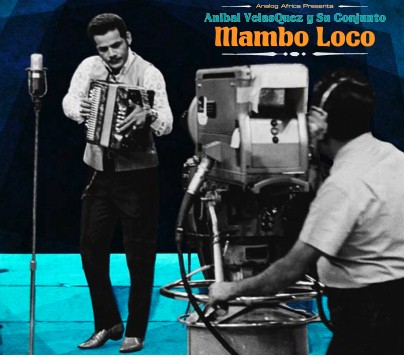
Nestled between the Caribbean Sea and the Rio Magdalena, lies the city of Barranquilla. Hailed by its locals as Colombia’s “Puerto de Oro” or Golden Gate Barranquilla has served as a gateway for “Caribbean Tropical Sounds” for almost a century. Home to the countries biggest cultural celebration, El Carnaval, and the birthplace of the radio and recording industry in Colombia, Barranquilla has always been a city deeply rooted in musical traditions. Its port-city status, has allowed its citizens to remain up-to-date with the latest grooves coming out of the Caribbean basin; with scores of LPs arriving from Cuba, the Dominican Republic, Mexico, Puerto Rico, and the United States; the city soon became a bastion for musicians and vinyl enthusiasts from all over the world.

Nobody embodies more Barranquilla’s rich musical heritage than the master accordionist Anibal Velasquez. Known affectionately by his fans as “El Mago” (the Magician), Anibal has been one of the most prolific musicians of Colombia’s Musica Tropical movement. Anibal Velasquez Hurtado was born on June 3rd 1936 in Barranquilla into a musical family. His father was an accomplished musician but Anibal´s biggest influence was his older brother Juan who first introduced him to the secrets of the accordion. “I knew already how to handle the clarinet, the Guacharaca and other instruments, thats a talent I must have received from my father. In those days music was everywhere – people would come together and dance to cumbia’s and mapale’s…it was all very spontaneous.” 

“As you know Barranquilla has always been a musical city, but when I started to play the accordion, the instrument was not very popular, It had not become part of Costeno culture as it was considered a second-class instrument. A bit foreign and awkward, used primarily by campesinos in rural towns off the banks of the Rio Magdalena – but we´ve changed that. One of the turning points was an encounter with Robertico Roman a musician from Cartagena who I´ve met in a record store on a rainy day. We both had a deep love for Cuban Music and he often came to my place where we jammed. Its with Robertico Roman that I founded my first band called

“Vallenatos de Magdalena”. I made my first recording with that band in 1952. Four songs were recorded including a track called La Gallina, which became a huge hit. It really spread the costal sound toward the center* of the country (interior*).

With the death of Robertico In 1955 the band disbanded and Anibal became a session musician for disco Eva in a band called “El Conjunto Colomboy” which was directed by the Costeño Master “Lucho Campillo” till 1960 when Anibal decides to form a new group. Included in the band are his two brothers Juan and his younger brother José who was instrumental in the sound he wanted to achieve. Instead of using the bongos like in the Cuban Guaracha and Rumba, José decided to use the Traditional Colombian caja drum. The leather skin was replaced by an X-rays Film (radiografias Medicas) an innovation which enabled him to generate a much harder and dryer sound then the cuban bongos. But The cuban style I was producing wasent right – some sounds simply didn’t work on the accordion so I decided to create my own Guaracha which is much faster and a lot hotter then the cuban one. We´ve started recording for various record companies – I didn’t like to exclusive to a specific label – so they dubbed me “Anibal Todo Sello”  (Anibal all labels)

“thats when I met with Antonio Fuentes who had just started his broadcasting company called Emisoras Fuentes in Cartagena. I really enjoyed working with him because he understood the mind of the musician and gave us lot of creative freedom. Encouraged by his attitude I began by playing different styles adapting regional elements to the accordion. I would play cumbia, merecumbe, Mapalé, Pompo, and corrido and later also began to incorporate Cuban and Puerto Rican elements into my music. It was in many ways the golden area of the Musica Tropical movement. Lucho Bermudez and Estersita Forrero had taken the genre into new heights spreading the warm tropical sound of the coast to Bogota and reaching as far Cuba and the United States. I recall playing in a small venue called “Mi Kioskito” here in Barranquilla. I was playing there every week and all the greats musicians of this country would appear one after the other; Pacho Galan, Rufo Garrido, Pedro Laza , Michi Sarmiento…Costeno music was taking over the country and we were pioneering a new movement, a new identity for Colombia – Amazing times – I began to have an impressive amount of followers…(including some future legends) guys like Alfredo (Gutierrez) and Lisandro (Meza) were greatly influenced by my style and used it to developed their own.”

The interest for Anibal´s innovative sound started growing and recording offers started pourring in. This was Anibal´s most productive period were many records were produced for innumerable costal labels. Discos Fuentes worried by the artist´s dominance who´s sound had started spreading like a wildfire by forming a super group called Los Corraleros de Majagual composed of Lisandro Meza, Alfredo Gutierrez, Ernesto Estrada (aka Fruko), Calixto Ochoa and few other giants.

The rivalry between the two bands came to an abrupt end with the arrival of the drug cartels. By the mid-1960s, music in La Costa began to change drastically. With the onset of the hippie movement in the United States and America’s new found craving for marijuana, Colombia’s Caribbean Coast had become a main trafficking hub. A new economy of drugs had emerged in the coast and with it a style called Vallenato rose to prominence. It’s distinct accordion sound and bleusy appeal made it a favorite among drug lords and Mafiosos alike, eventually becoming the soundtrack for their feverish life-styles. According to Anibal, “for a short period, people found happiness in the new economy of drugs and Vallenato had became the manifestation this new found happiness. This new brand of prosperity was soon followed by a dramatic upsurge in drug-related violence. The Drug Cartels ruled the streets and people did not feel safe. Life changed and so did the music.” The Drug-lords delighted in the accordion and the instrument soon become a trademark in local festivals and public gatherings.

Vallenato was everywhere. “I quickly began to redefine my playing style because I became bored with Vallenato mostly because its lyrical content had become decadent and too closely associated with violence. So while the other bands started playing slower music I became faster, much faster. I began incorporating new sounds and techniques creating a new fast tempo style known as “Guaracha de Anibal Velazquez” which became an incredible success during Carnival here in Barranquilla. Unfortunately due to the violence in this country I decided to packed my luggage and moved to Caracas where I stayed for 18 years (Half of the  300 LPs recorded by Anibal Velasquez were recorded in Venezuela).

We are very proud for the opportunity to bring this sound to you. Many of the tracks presented here have set fire to more then one dance-floor and have become essential during Analog Africa Dj Sets.

Samy Ben Redjeb
Analog Africa – Rare Afro Sounds from the 70s
Friedberger Landstr 128
60316 Frankfurt am Main / Germany

Analog Anibal

Dj Lengua and I had the great pleasure of helping out Dj and record collector extraordinaire Samy Ben Redjeb on his new compilation release entitled: Anibal Velasquez: Mambo Loco. Even though most of our selected tracks hit the cutting room floor, we were still happy to help him out with his record in anyway we could.  Samy, aka Analog Africa, has been a huge supporter of our label Discos Unicornio  from day one and he’s a super friendly cool-ass German dude to boot. I got to hand it to him, Mr. Redjeb has probably got the best ear for music in this whole reissue/compilation business. He will always leave you asking, where the hell does he find this amazing stuff? 

Presented in this post are some of the samples that didn’t make it on his record. Nevertheless, the record Anibal Velasquez: Mambo Locos (on LP and CD) is spot on and Samy once again nailed it with probably every important and stand-out song that Anibal Velasquez has ever done. A highly recommended record, which I will give you more details of in my next post. The music below is divided by artist/song/album. Enjoy!!!

Anibal Velasquez /El Cucarachero/Tropical 

1. Panga Pajapa (Afro-Criollo) 

Anibal Velasquez/Self Titled Lp/Var-bo (pressing is off on this – not a great recording) 

2. Burun Bumba (watusy) 

3. El Guamo (cumbia) 

Anibal Y Jose Velasquez/Cumbia Brava/Sonolux  

4. Cumbia Brava 

5. El Sucusu-Sucusu (sucusu) 

Anibal Velasquez/En Tremenda Salsa/Fuentes 

6. Que Paso (descarga) 

Anibal Velasquez/Bailela…Y Gocela!/Lyra 

7. Charanga Cucutena 

Anibal Velasquez/Boogaloo Descarga Mosaicos/Tropical 

8. Descarga Loca


Mi Cacharrito #2

I did a post about this song Mi Cacharrito (my little car) almost 2 years ago, if anyone remembers or not. Anyway, I was literally given an alternate cumbia version of the song on 45 about 30 minutes ago from friend and colleague El Dj Roger Más.   

You see, I made him a fried egg sandwich at my house for which I was given a 45. Mi Cacharrito is basically about a guy who needs work on his large Cadillac, so the shop loans him a small car (like a vw bug). He finds out that all the girls love him because his small car, thus refusing to return it.

Nevertheless, the 45 is pretty banged up, so sorry for all the skips and scratches. Maybe the egg sandwich trade wasn’t so good after all. Just kidding. I tossed in the B side for good measure. On a side note, if you haven’t noticed already, both songs have accordion impressario Anibal Velasquez on them. Enjoy.  

1. Los Curramberos De Guayabal: Mi Cacharrito

2. Los Curramberos De Guayabal: Mira Mira

Dos Almendras

From the high-class orchestration of Orquesta Aragon to the low-brow minimal Peruvian sounds of Los Kubaney, we have Almendra (almonds), one of my favorite songs from the Cuban danzón era.

Orquesta Aragon is the type of cuban orchestra where you really can hear the European waltz influence more than an afro-cuban one. Perhaps its the stringed instruments and tight ensemble style that they present. Nevertheless, highly popular and regarded as the best charanga orchestras in the 50′s and 60′s, the Orquesta Aragon still performs to this day.

I probably have 3 other versions of Almendra. This standard is done by all the big names from Perez PradoTito Puente to Johnny Pacheco. But I was really floored by this version from the unknown chicha group Los Kubaney. Even though they forgot their bass player when they recorded this track, this minimal psychedelic electric guitar driven version also boarders on greatness. Enjoy!  

1. Orquesta Aragon: Almendra

2. Los Kubaney: Almendra

Tremendo Ritmo con Los Orientales De Paramonga

I kept getting emails from people who couldn’t get enough of the Peruvian group Los Orientales De Paramonga. So there, bam! Not only do I pander to the crowd, I oblige them. Check out the post I did in February that caused all the ruckus: Day 13.  It’s not like it comes without any merit, these guys are awesome.

Super deep chicha with a touch of psychedelic rhythms. It’s like the cholo (peruvian indians) version of Los Destellos. Both full length Lp’s were produced by the infamous bump-bump Enrique Lynch. And the Bailando Con Dolores chicha compilation, like the previous 45, is on the Colombian Caliente label.  Which is a nice little treat since the song La Danza Del Mono (the dance of the monkey) doesn’t show up on any other of their albums. Gozalo!

1. Los Orientales De Paramonga: Chiquilla En Onda

2. Los Orientales De Paramonga: Guajira Oriental

3. Los Orientales De Paramonga: Siempre Contagiando

4. Los Orientales De Paramonga: El Botecito

5. Los Orientales De Paramonga: La Danza Del Mono

Los Corraleros De Majagual

Probably one of the most popular Discos Fuentes super groups, Los Corraleros De Majagual would eventually bridge the gap between vallenato and the big band cumbia sound of the early 60′s. Large brass sections, percussion, and a heavy emphasis on the accordion. Los Corraleros brought the music of the Atlantic coast region of Colombia to national and even international levels.   
Every member of this band, be it past or present, would eventually become some of the biggest heavy hitters in the Colombian music scene. Alumni included:  Lucho Argain, Tony Zuñiga, Alfredo Gutiérrez, Calixto Ochoa, Lisandro Meza, “Chico” Cervantes, Eliseo Herrera, Anibal Velásquez, Abraham Nuñez, Julio Erazo, Julio Ernesto Estrada “Fruko”, just to name a few. The list goes on.

Keep in mind that the cumbia began as a low-brow form of music. Being born out of interactions between Indian populations and African slaves, the cumbia was not always looked favorably upon by the Colombian upper classes. Simple 4/4 rhythms with distinctive/hypnotic looping beats, minimal compared to the popular music genres from Cuba and Puerto Rico at the time. Take the song Cumbiamberita for example, its like riding a horse at a fast trot. This is definitely the music of the campesino. I purposly pitted the album covers “En Nueva York” and “Aqui Estan” together. Los Corraleros look happier in their sombreros  vueltiados  Enjoy! 

1. Los Corraleros De Majagual: No Me Busques

2. Los Corraleros De Majagual: Cumbiamberita

3. Los Corraleros De Majagual: Ritmo De Juventud

4. Los Corraleros De Majagual: Pachanga En La 13

5. Los Corraleros De Majagual: Lamento Cumbiambero

6. Los Corraleros De Majagual: Tingo Al Tango

7. Los Corraleros De Majagual: Bailen Charanga

8. Los Corraleros De Majagual: La Tos

Day 14: Son Tropical Yumuri de Juan Torres

 I suffer because I love you.

Happy Valentines Day!

1. Son Tropical Yumuri de Juan Torres: Sufro Porque Te Quiero

Day 13: Los Orientales De Paramonga

Kind of had no time this weekend, sorry folks. But I did get a request via email from someone in Peru for the Peruvian Los Orientales. I have a few records with this Chicha outfit, so maybe I’ll elaborate more some other day. But for now…..Enjoy!

1. Los Orientales De Paramonga: Lobos Al Escape

Day 9: Colombian Micro-Genres

Hey Franko, thanks for letting me do this! I have a few different 45′s I’ll try to post up this month, starting with this Cumbia microgenre from Colombia – Pa’ Que Veas by Cristobal Perez Y Su Conjunto. It’s described as an “Apretaito” from the Spanish “Apretar” meaning to press or push… and that’s the vibe you get. Not super hyphy, but a relentless beat that keeps things moving for the dance floor. What’s more, since this is a b side and not on a yellow label that begins with “F”, you might be able to find it for really cheap.

-Sport Casual

You can check out Sport Casual’s website Futurefunk.net - There are some amazing Latin mixes on that site, especially the El Bigote sleepy beats and breaks one. The Moustache Mix!

Thanks Sacha (aka Sport Casual) for this wonderful track. I know it’s hard finding out information about some seriously obscure Latin musicians, next to impossible sometimes. But you really hit a nerve with me when you used the term “micro-genre”, especially when explaining a cumbia conjunto from Colombia. There are hundreds of genres from the Atlantic coast, to Andean regions, to the Pacific, to even the insular regions of Colombia. I tossed in a few tracks of one of my favorite musicians Anibal Velasquez to show how different two 45′s can make. There is no other musician I can think of who was more prolific and has traversed more Colombian “micro-genres” than Anibal Velasquez himself. I won’t say anymore than that. A certain somebody from a certain record label is putting out a collection of his music, which I actually contributed to. These two songs made the cutting room floor and I wanted to save a post on Anibal long after that record is released. Enjoy!

-Sonido Franko

 1. Cristobal Perez Y Su Conjunto: Pa’ Que Veas

2. Anibal Velasquez: Soy Guajiro

3. Anibal Velasquez Y Su Conjunto: La Pollera Apreta

Day 6: Pepito Quechua

Well, it’s been a long time coming. Joe’s been trying to get me to contribute to Super Sonido for a while and I finally got it together to drop a little some’n some’n.

My pick is a track by a little known singer named Pepito Quechua. On this track he is backed up by the amazing Grupo Celeste some of whom went on to back up the immortal Chacalon in his band ”Chacalon y La Nueva Crema“, an amazing Chicha band that is widely considered the “official” sound of Chicha.

Anyways, the reason I love this tune is not only for it’s great guitar solo and the soulful yearning in Pepito’s voice but because it’s the only Guaracha I have heard with lyrics in Quechua. One of the few things I was taught by my dad & uncles from Peru was how to count in Quechua, and when I first heard Pepito’s count down to kick off the jam ”huk…iskay…quimsa!…”, which is “1,2,3″ in Quechua, I thought “damn Pepito’s got it goin on!!!” In Peru there is a lot of pride in being Cholo/Indio, but there’s also a lot of discrimination. I see this song as one of the few genuine mestizo tunes, taking the coastal Guaracha with the heavy guitar riffs and the great rolling bass & tropical percussion and mixing it with the Spanish and the native tongue and rhythms, all executed with style and pride. The little else I can translate is something about “urpicha = my dove” and “yananyawi = dark eyes” and the chorus in the end of the song has the word “misky” which translates to “tight wad, or penny pincher” which would make sense considering the title of the song is “Por Que No Me Das?” (Why do you not give?)

Anyways, I thought I’d also post the rebajada version, considering that it is the way I prefer to play a lot of my 45′s. This subject will take a bit longer to get into, and I plan on droppin a rebajada mix here very soon, but for the peeps that don’t know, rebajadas are slowed down tracks that change the song entirely and give it a different more laid back rhythm and makes the vocals sound like they’re sippin on syrup, if you know what I mean. Anyways, there’s a lot of theories as to who, how, and why did rebajadas start, but I chalk it up to the fact that super fast Descargas & Guarachas from Peru & Colombia actually sound a hell of a lot more like Cumbia when the 45 is played at 33 RPM. Theories about record players with dying batteries are good stories, but I think people just dig the doped out style. Forgive the skip at the end, Enjoy!

-DJ LENGUA

P.S. I’m not sure if this is the same man 40 years later, but something tells me it is. Pepito rockin the Huayno comedy, “Teta Chueca!!” pretty damn funny, oh man…http://www.youtube.com/watch?v=jLmgBSUYqoc&feature=related

Thanks DJ Lengua for the amazing post and Quechua lessons. You can catch visual artist, musician, and my number one homeboy Dj Lengua spinning records @ Mas Exitos  a biweekly event every 2nd and 4th Tuesdays @ the Verdugo in Los Angeles. And when he’s not being artistic you can find him driving his truck around L.A. with his wife Gina and their dog Pepino. Keep posted for future Lengua mixes and other joint posts on Super Sonido. Just to elaborate, rebajada is a popular dj style in Mexico. I wanted to point out that some dj’s take super fast gaitas and slow them down to a more danceable beat. Lengua and I will collaborate on a post sometime in the future.

-Sonido Franko

1. Pepito Quechua: Por Que No Me Das

2. Pepito Quechua: Por Que No Me Das (Estilo Rebejada)

Next Page »


Follow

Get every new post delivered to your Inbox.

Join 30 other followers