Archive Page 5


Day 24: Boogaloo Who?

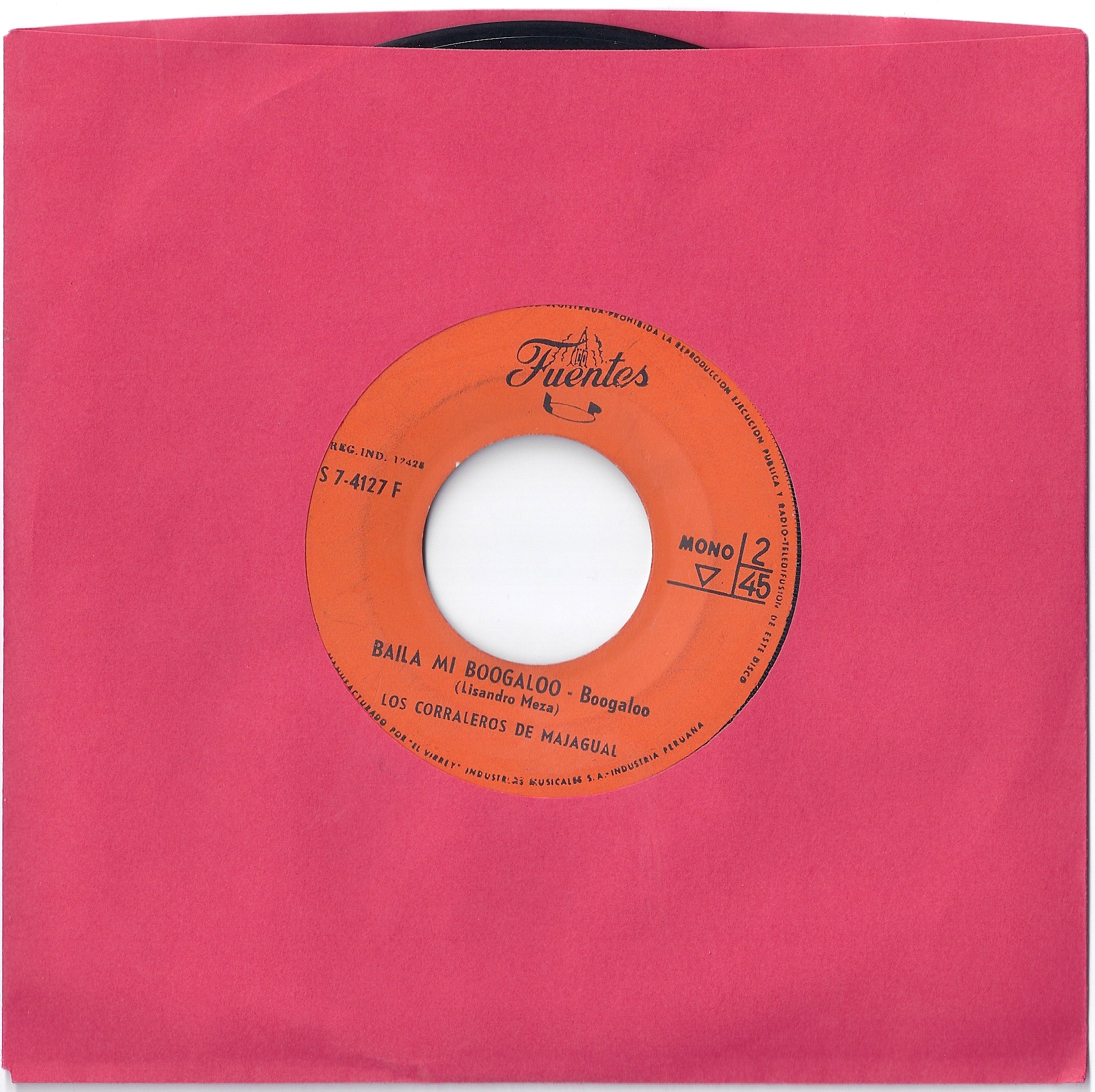
A few relatively unknown bands on the boogaloo tip, plus a cumbia super group playing a boogaloo number. If you haven’t noticed by now, I like musicians/songs that are played outside of their element. The legendary Los Corraleros De Majagual are a pretty good example of this. Anyway, I would love to delve into this some more, but I’m nursing a pretty brutal cold. Enjoy.

1. Lobo y Su Grupo: Lobo

2. Joe Pappy And His Combo: Oye Tomasito

3. Los Corraleros De Majagual: Baila Mi Boogaloo


Day 23: Los Covers

Picked out a few cover songs that were original hits from 1969 to 1970. These 45’s used to be in my rotation quite a lot, but I haven’t given them the light of day lately. The songs always seemed to work well together and they more or less capture the sound of that era.

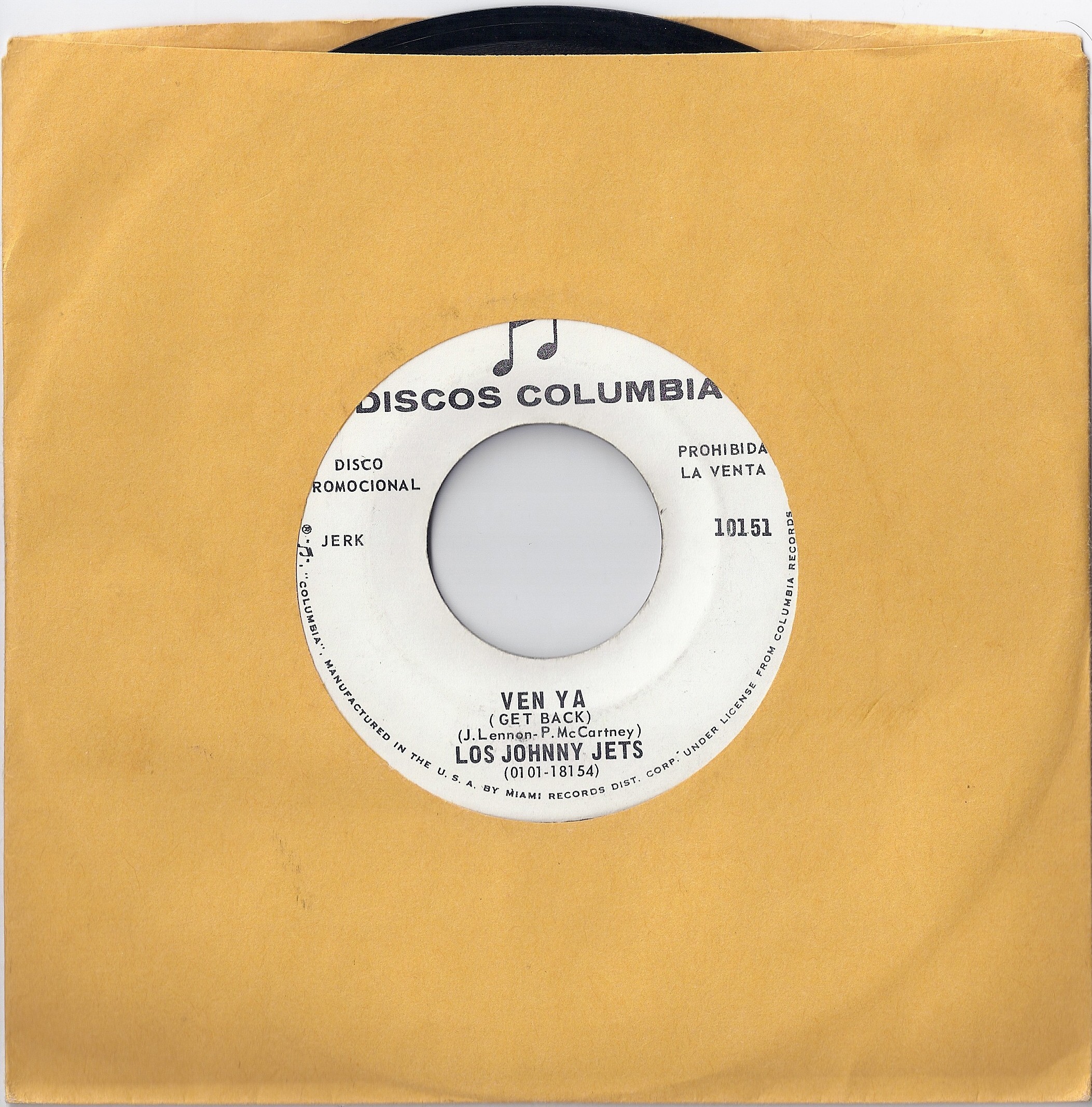
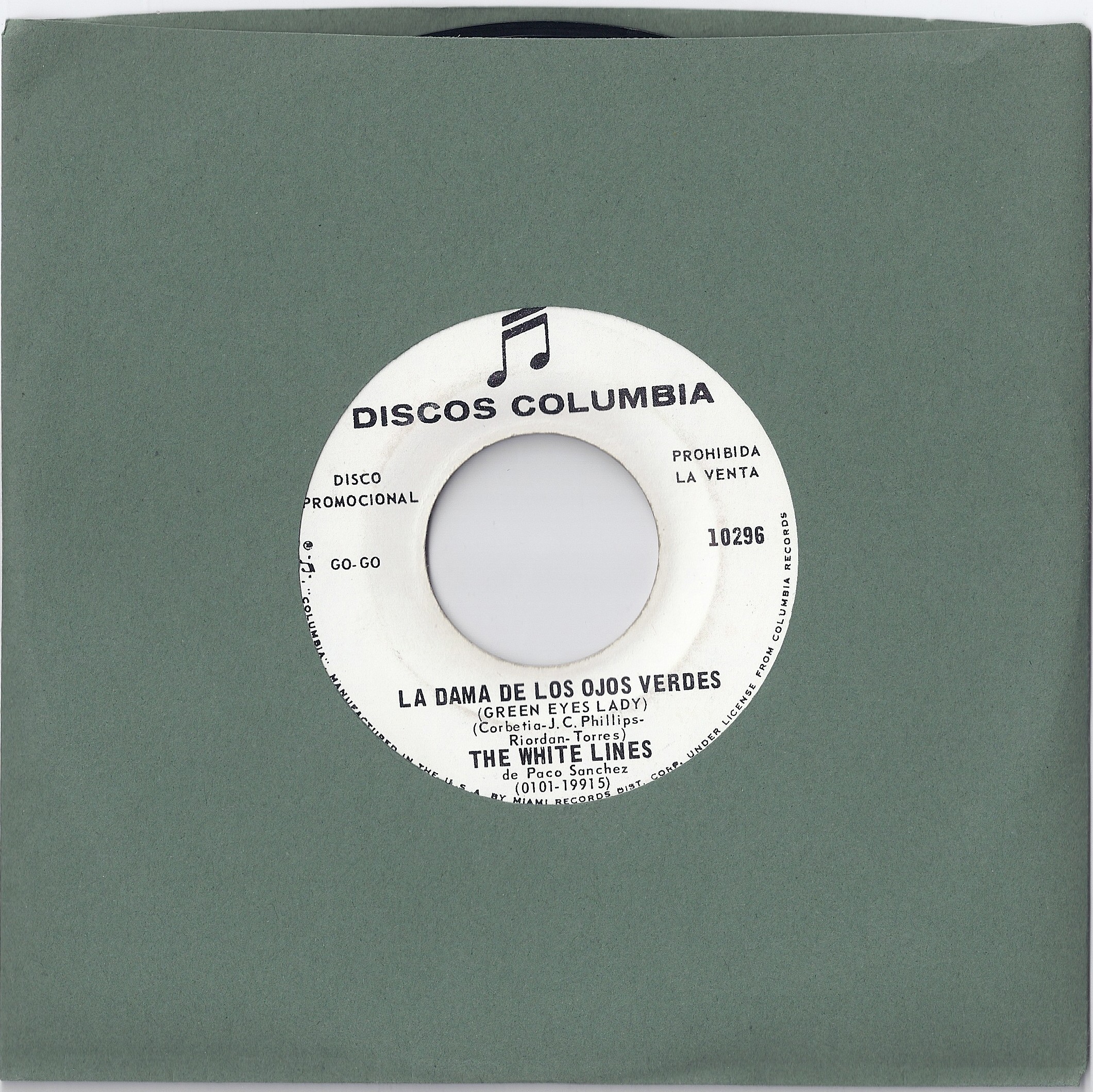
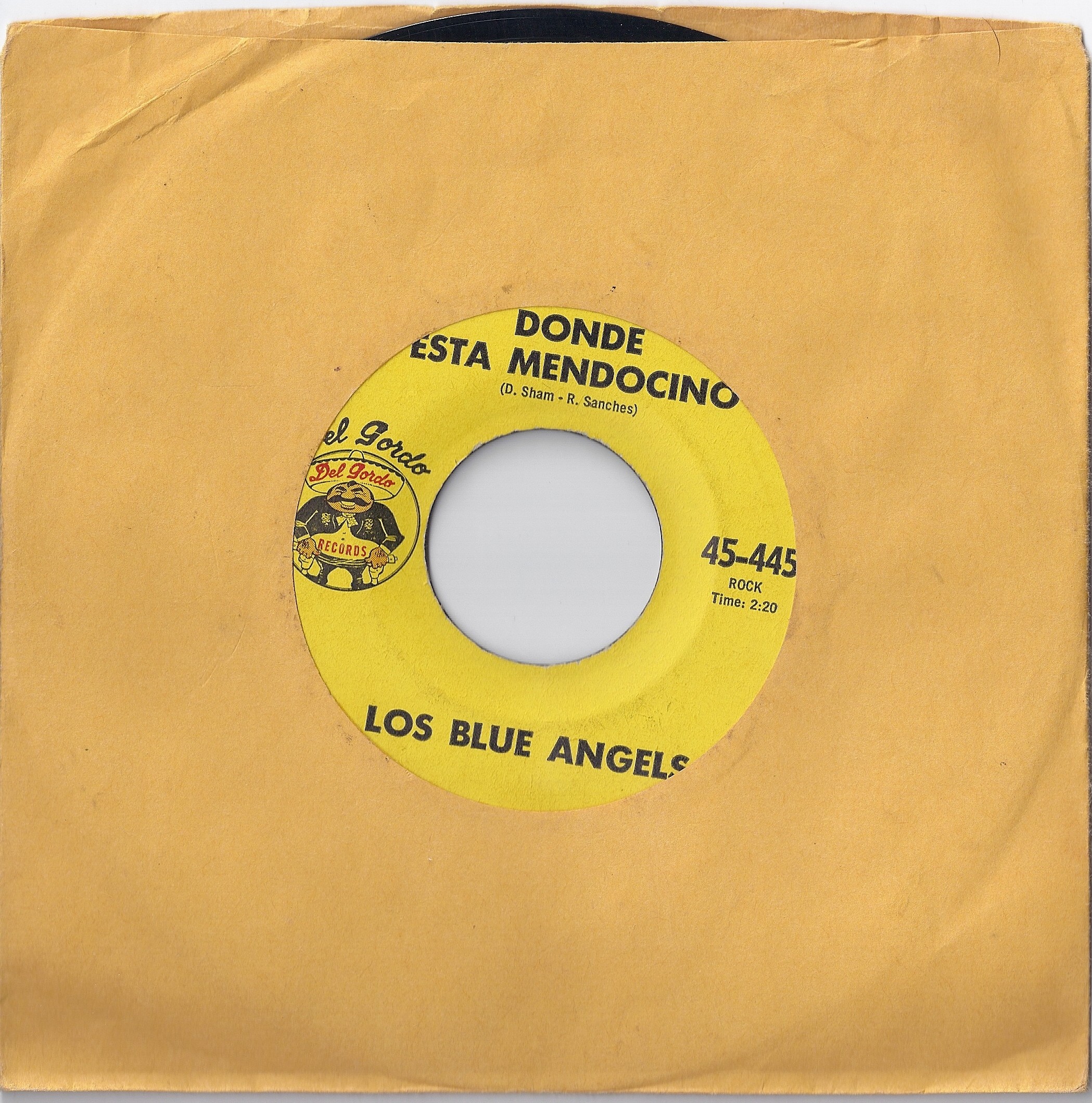
Cover songs from the Beatles, to Sugarloaf, to the more obscure cover by the psychedelic tex-mex group The Sir Douglas Quintet. Almost seems like bands down south never left one “top 40” rock unturned. In fact, Los Johnny Jets hacked out a living doing rock-n-roll cover songs during their time. And they do it pretty well. The Jets really nail the Beatles “Get Back”, both lyrically and musically. Although even more obscure, The White Lines and Los Blue Angels equally do their renditions justice.

I’m brimming with rock 45 covers, so maybe I’ll explore this again by the end of the month. But for now…..Enjoy!

1. Los Johnny Jets: Ven Ya

2. The White Lines de Paco Sanchez: La Dama De Ojos Verdes

3. Los Blue Angels: Donde Esta Mendocino

Day 22: Pablo Beltran Ruiz

I recently had the great honor and privilege to write the liner notes for an upcoming re-release of the Joe Cuba Sextet’s They Must Be Doing Something Right. That album’s big hit was “El Pito.” With its titular whistle and the repeated refrain of “I’ll Never Go Back to Georgia” (borrowed from Dizzy Gillespie/Chano Pozo’s “Manteca” even though none of the Sextet had actually been to the state), “El Pito” wasn’t the group’s most successful song (that belonged to their next major single, “Bang Bang”) but it’s arguably their most infectious.

Not surprisingly, “El Pito” proved to be popular with other Latin groups and notably, found an eager ear throughout the larger Latin music world. That included covers by everyone from Peru’s Alfredo Linares to Venezuela’s Frank Hernandez to this, recorded by Pablo Beltran Ruiz in Mexico. Unlike most other covers, Ruiz’s omits the catchy “I’ll Never Go Back to Georgia” line in favor of a MOSTLY instrumental affair, replaying the vocal line with a bank of horns instead. “El Pito” essentially gets a big band makeover – where the Sextet was punchy with their small size, Ruiz sweeps in with something closer to a mambo orchestra, making “El Pito” sound as if it was recorded a decade before it actually was.

The whistle though? That’s there. You can’t very well record a song called “El Pito” and NOT have the whistle and no matter what else in the song may change, that five-note melody inspires instant recognition…and an inevitable smile.

– O Dub

Great post. Thank you very much! Never heard this rendition of “El Pito” before. Be sure to check out O-Dub at Soul-Sides.com, undoubtedly the dopest audio blog on the net.

1. Pablo Beltran Ruiz: El Pito (RCA Victor)

Day 21: Los Ángeles Negros

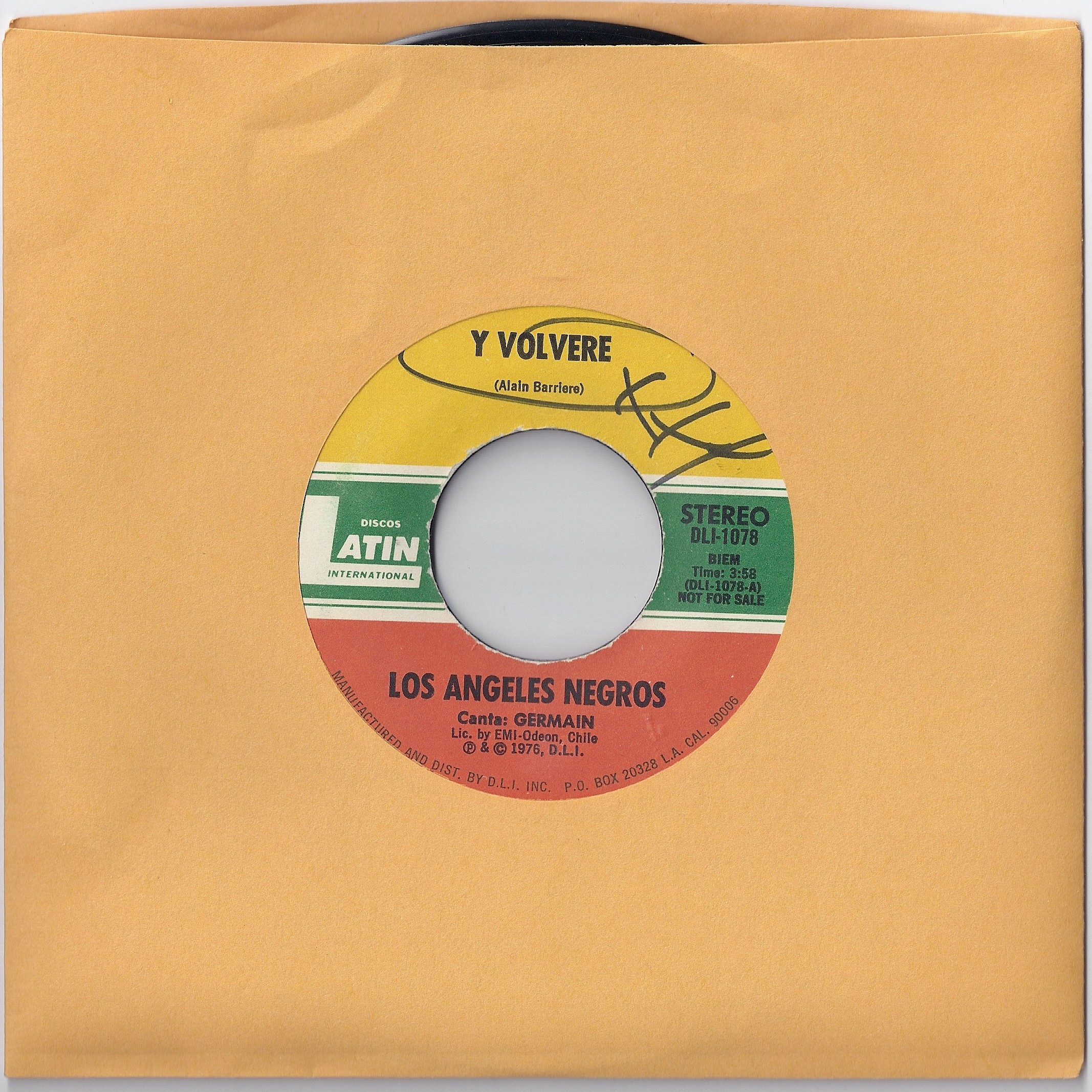
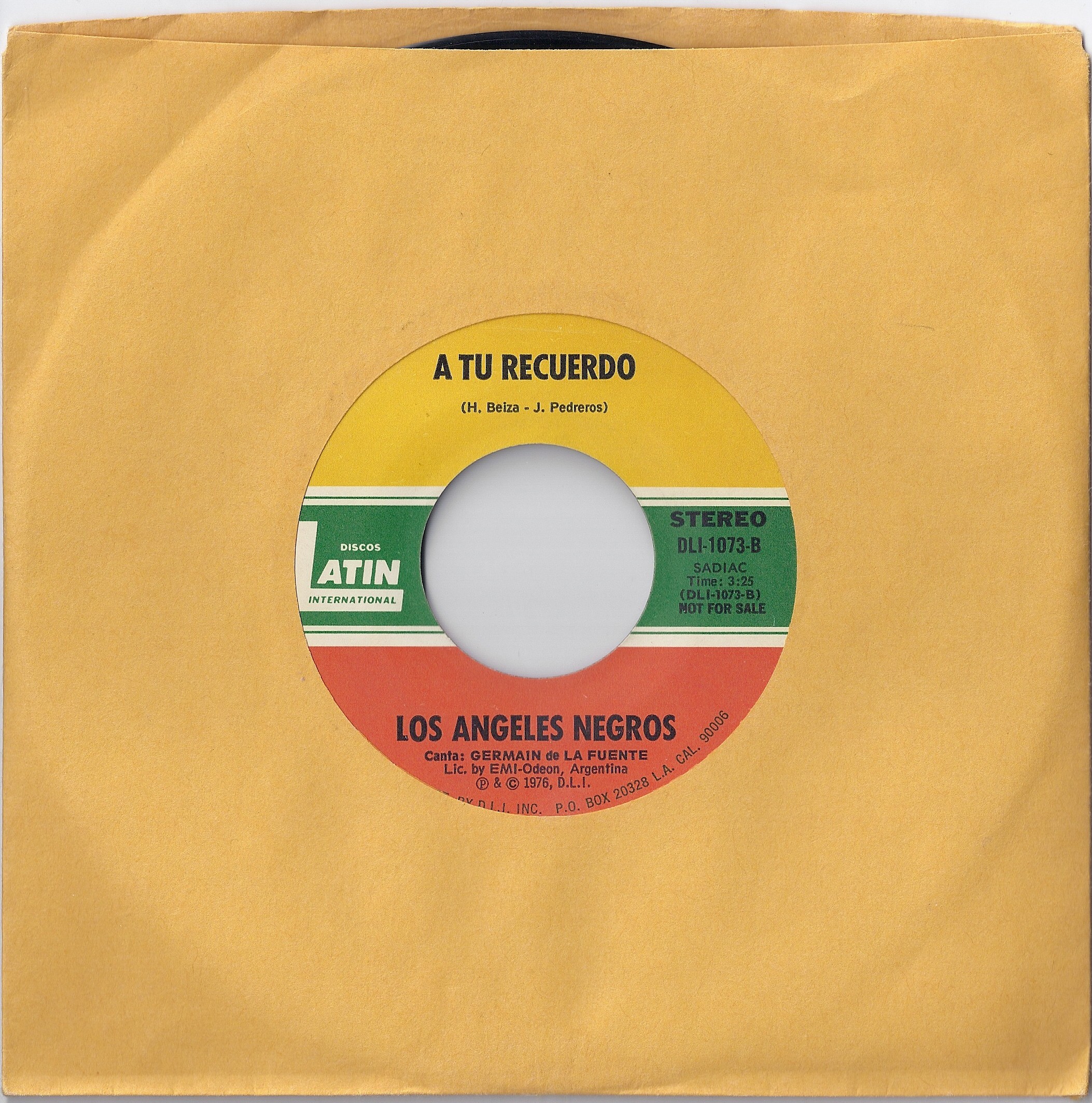
The Chilean band Los Angeles Negros (the black angles) probably wouldn’t be so familiar to North American ears if it wasn’t for the sample used off the Beastie Boys “Hello Nasty” album. But who can blame them for copping a beat like “El Rey Y Yo” (The King and I). Psychedelic bolero break-beats? Anyway, long before the any popularity was garnered from that Beastie Boys record, Los Angeles Negros where the most popular bolero groups of their era. 

Los Angeles Negros have almost a similar biography as Los Pasteles Verdes (see my earlier post). Both bolero style groups, founded after winning a talent show, becoming internationally famous, and then moving partially to Mexico. On a side note, keep in mind that Mexico is the most populous Latin American country (besides Brazil). So if a band makes it big, you find a lot of Caribbean and South American acts ending up there. There is almost like a cultural diaspora in Mexico City. It’s a bigger market, close to the United States, a recording/publishing mecca, and it is relatively stable to other Latin American countries, or was at the time.

Nevertheless, I threw some great break-beat sounding boleros, along with their most popular mega hit “Y Volvere” (and you will return). Check out predecessors Julio Jaramillo (Ecuador) or Carlos Gardel (Argentina). South America has had a long history of the romantic bolero and over the top lyricism. Enjoy!

1. Los Angeles Negros: Y Volvere

2. Los Angeles Negros: A Tu Recuerdo

3. Los Angeles Negros: Amor Por Ti

4. Los Angeles Negros: Con Todo Mi Amor


Day 20: Los Rockanroleros

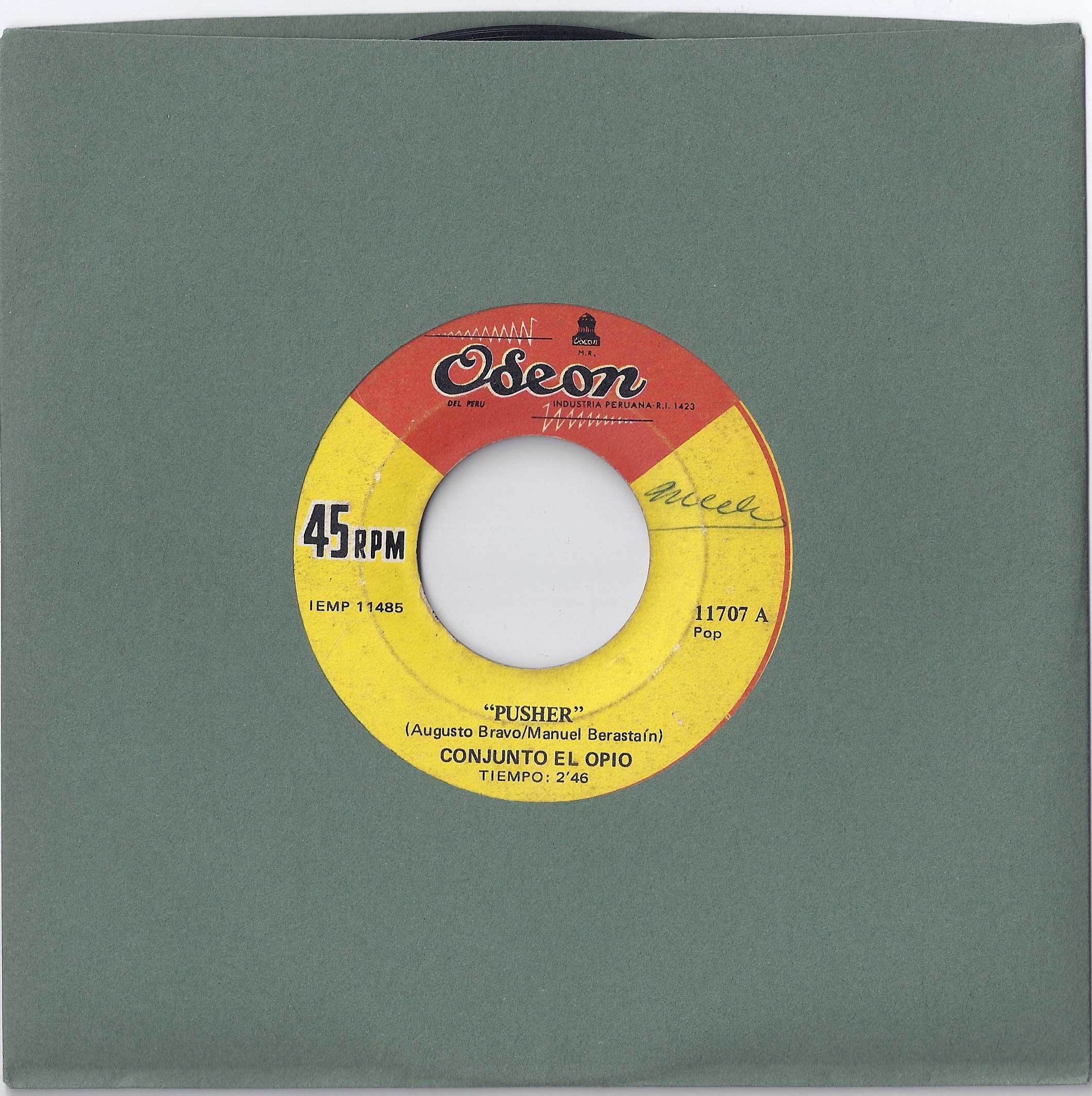
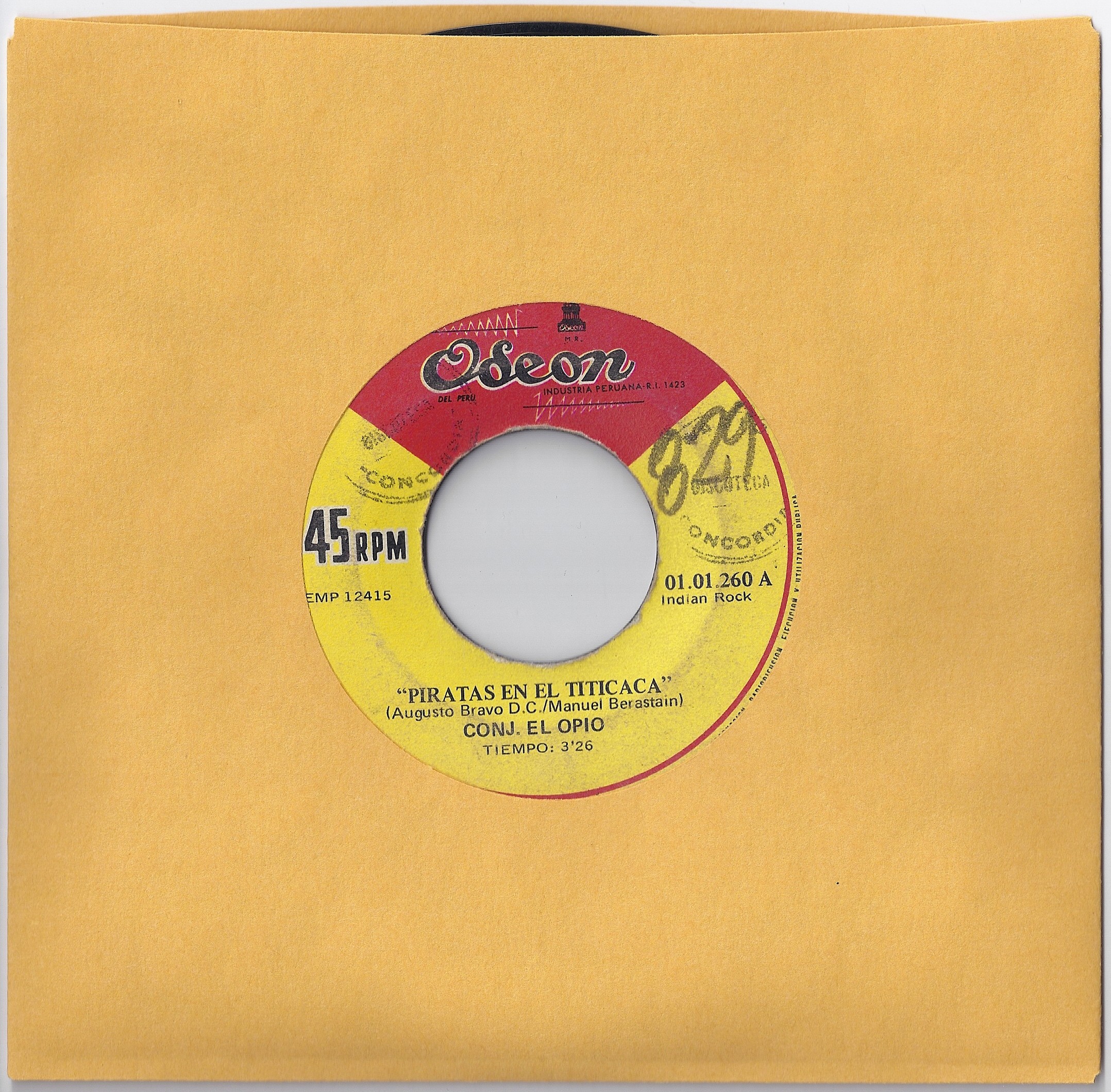
You have to wonder what the people of conservative 70’s Latin American thought of hard rock music. Latin Americans tend to hold on to their traditions a bit more tightly than others. So what would have been the social or political implications of this music, if any? And I say political because these weren’t the most stable times in Peru (Conjunto El Opio) or Mexico (Yndio, Dug Dug’s). I might be stretching here, but I am really reminded of an Eastern European approach to rock music. Almost like a naive approach to what rock music symbolizes. You know, rebellion, freedom, drugs, pissing your parents off. Anyway, I’m running out of time again. METAL!!!

1. Yndio: Mama Gorda

2. Dug Dug’s: Al Diablo

3. Conjunto El Opio: Pusher

4. Conjunto El Opio: Dejame Solo

5. Conjunto El Opio: Piratas En La Titicaca

Day 19: Carmen Rivero y Su Conjunto

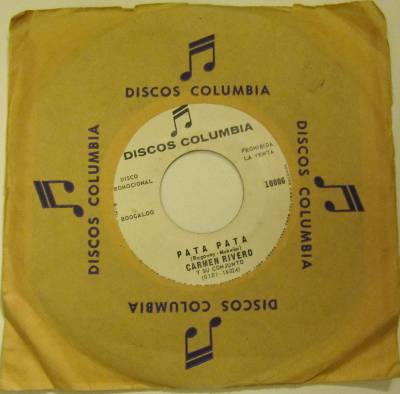
Big shout out to Sport Casual from Futurefunk.net for handing me an awesome version of the “Pata-Pata”.  I believe it’s originally an African 60’s pop song, that for some reason or another, got popularized in Latin America. Although sugar-coated, it fits nicely with the whole go-go and boogaloo genre of that era. And if we are talking genres, there probably isn’t anybody who has gone through more of them than Mexican Carmen Rivero. Some even credit her as the innovator of the Mexican cumbia. But that didn’t stop Rivero from diving into every other category of Latin music that ever was. I have a ton of 45’s from Carmen Rivero and pulled one that seemed the most musically opposed. A cha-cha akin to Tito Puente’s sound. Enjoy!

1. Carmen Rivero y Su Conjunto: Pata Pata

2. Carmen Rivero y Su Conjunto: Brincando Cha-Cha

Day 18: Tex-Mex Funk With Steve Jordan

So I was just now going through a bunch a 45’s, trying desperately to serve up something for you people tonight. Lo and behold, I ran across this single that was appropriately placed in my “I am confused” pile of Latin 45’s I own. 

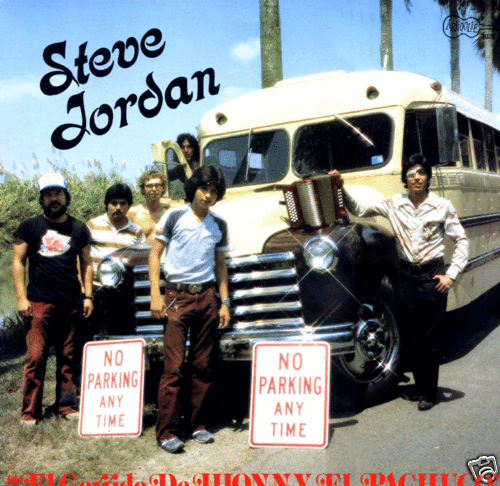
Found this joint a while back in the KRMX collection. At first glance, I probably wrote it off because of the name Steve Jordan and The Jordan Brothers. And when I listened, it sounded more like a Southern Baptist revival group being a bit more funky than they should be. Anyway, since I rediscovered it again, I thought I’d give these dudes a second chance by actually doing a bit more research than I had before. Glad I did. It turns out that Steve Jordan (who is also Esteban Jordan y Los Hermanos Jordon) is a Tex-Mex accordion legend who boasts a 5 decade career in the San Antonio Texas area. Not only that but his full length album La Bamba, which this single comes from, is sort of a Northern Soul collectors item. The songs on that LP have traditional rancheras, Bobby Bland covers, to the funkier squeeze box man that I threw up for you people. I even found a Japanese re-issue of it. Weird.

Anyway, some great Tejano style funk/soul ala Flaco Jimenez or Little Joe and Latinaires. Nice sounding Texas rebel-rock with a Mexican influence. It’s gritty and I like it. Threw up an image from some other album of his. Esteban plays a mean Hoener and has a patch on his motherfuckin’ eye yo….awesome!!! Enjoy!

1. Steve Jordan and The Jordan Brothers: Squeeze Box Man

Day 17: La Lupe

I can’t think of one Latin female singer that took in so much and put so much out with her heart, singing, and energy than the Cuban born Guadalupe Victoria Yolí Raymond, aka La Lupe.

From exile, to fame, to drug addition, heartbreak, a waning career with Fania, to Santeria, and to an eventual life as a born-again Christian. This complex and often controversial history that La Lupe had will always be reflected in the tone of her singing voice. PBS did a documentary bio-pick of her few years back which I recommend watching. Also, peep my other post Day 1: Yeh-Yeh,  La Lupe does backing vocals for Mongo Santamaria, who actually discovered her in 1962 after being exiled to the United States from Cuba.

The song Puedes Decir Di Mi (you can say whatever you want about me) should have been in a James Bond movie. In fact, whenever I play this at clubs I always have at least one person asking me who the singer is. It’s her powerful, infectious voice that really can capture one. You don’t even need to know Spanish to understand where this lady has been and what she is trying to say. Tossed in the B side, which is just as powerful. Enjoy!

1. La Lupe: Puedes Decir De Mi

2. La Lupe: Tan Lejos Y Sin Embargo Te Quiero

Day 16: Soul Jazz Carnival

Sorry folks but I actually don’t own too many Brazilian 45’s. And since it’s Fat Tuesday, I needed to grab something as close to it.

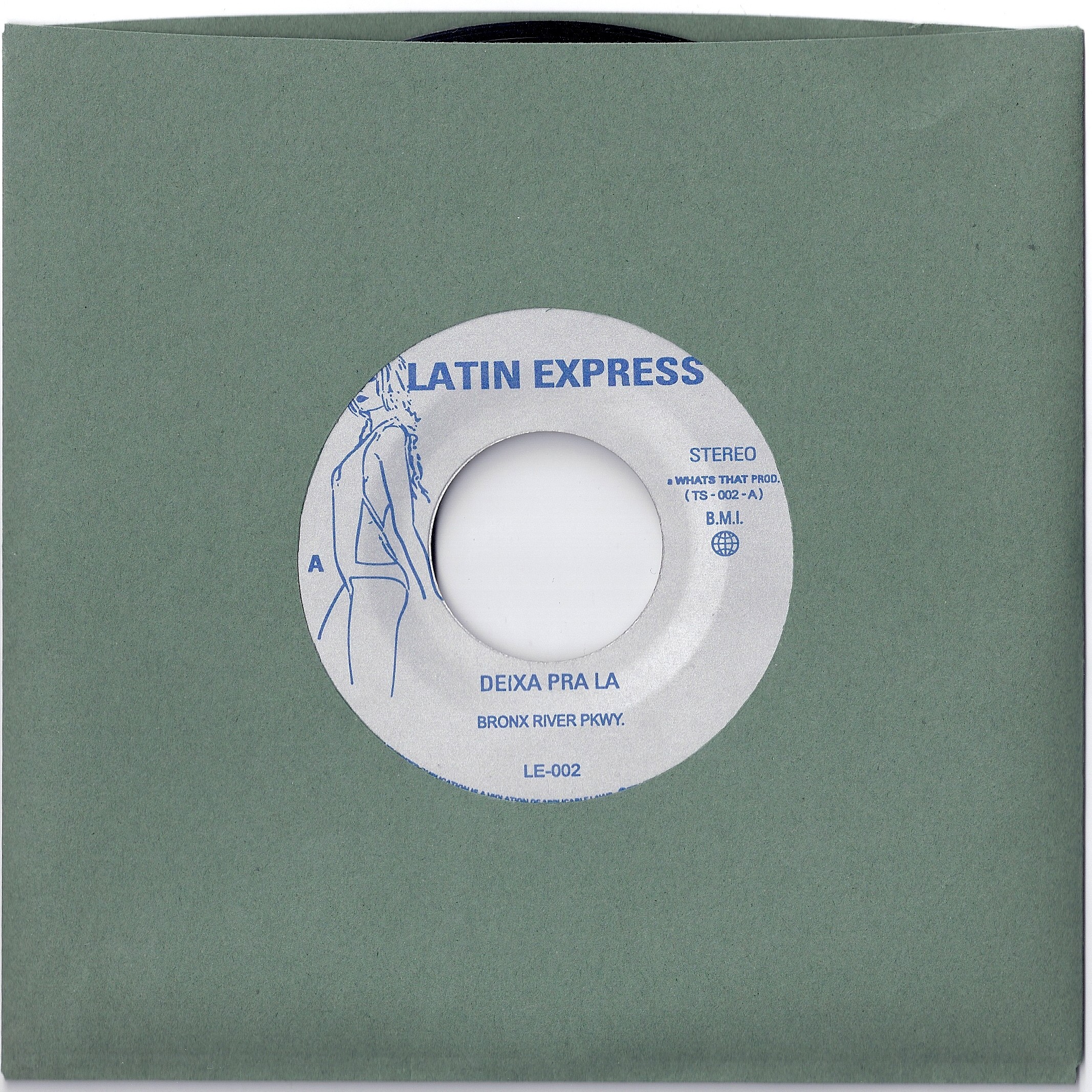
Some great cross-over bossa nova music from the old school to the new school. Vibraphonist Gary Mcfarland was probably more on the Latin tip than jazz guitar slinger Kenny Burrell. But both really capture that mod/latin/soul jazz sound of the era. Tossed in a track from Bronx River Parkway, which I did a PR piece for a while back. Their number Deixa Pra La  (Portuguese anyone?) is actually a cover from an older bossa number, which just seemed to merge really well with the other two songs I posted today.

Enjoy!

1. Kenny Burrell: Hot Bossa

2. Gary McFarland: Fried Bananas

3. Bronx River Parkway: Deixa Pra La

Day 15: Mambo The Hard Way

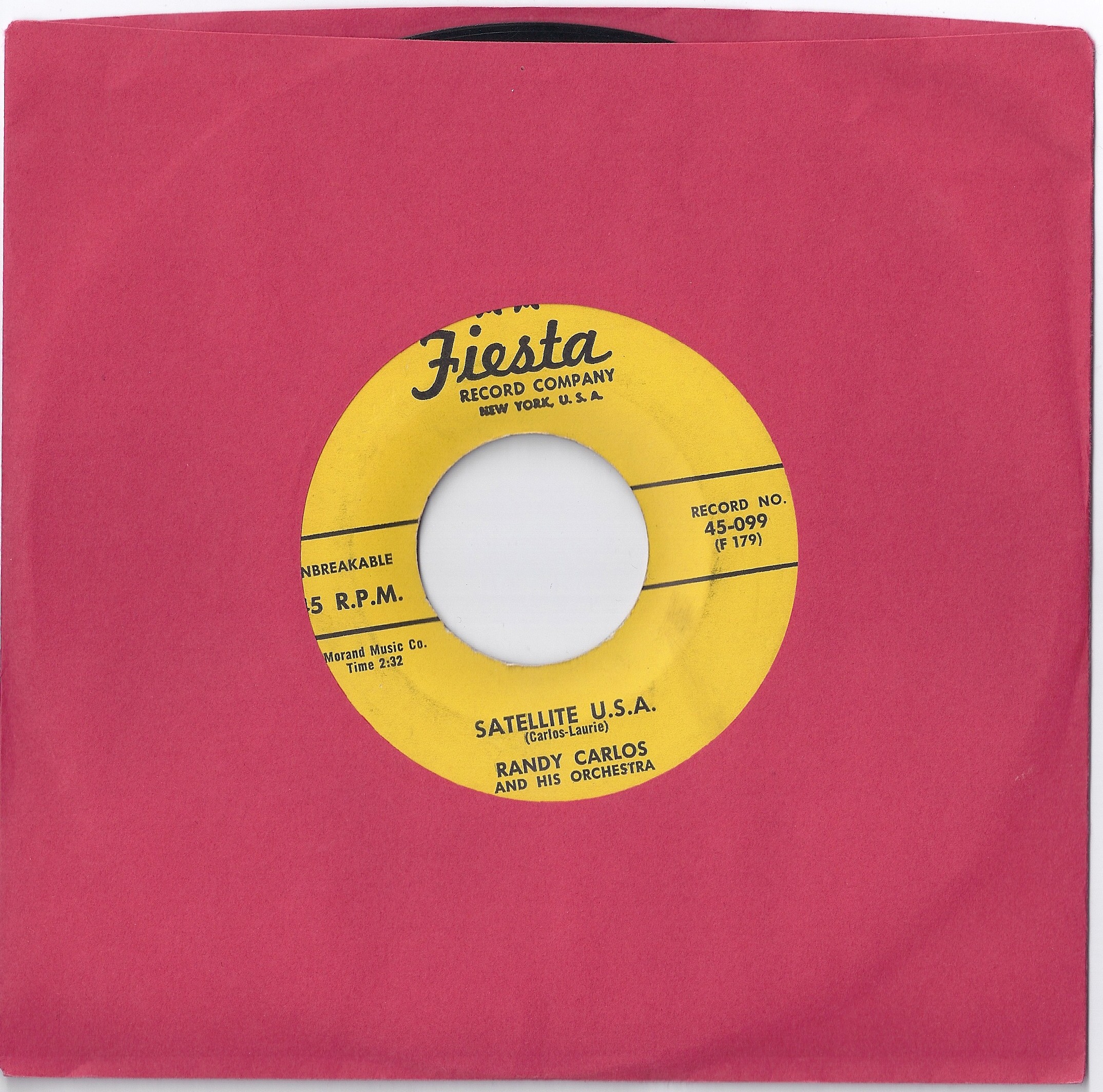
Man I got like 10 minutes to finish this post before midnight. Either I’m the Cinderella of audio-bloggers or a complete failure. Anyway as promised, a 45 a day until the 28th. So without wasting anymore time I give you this little jazzy guaguanco of a gem. Electric guitars? Ridiculous! On the New York Fiesta label, more or less an American world-music record label from the 50’s and 60’s. Think Putumayo of that era I suppose. Enjoy!

1. Randy Carlos And His Orchestra: Satellite U.S.A.

Day 14: Son Tropical Yumuri de Juan Torres

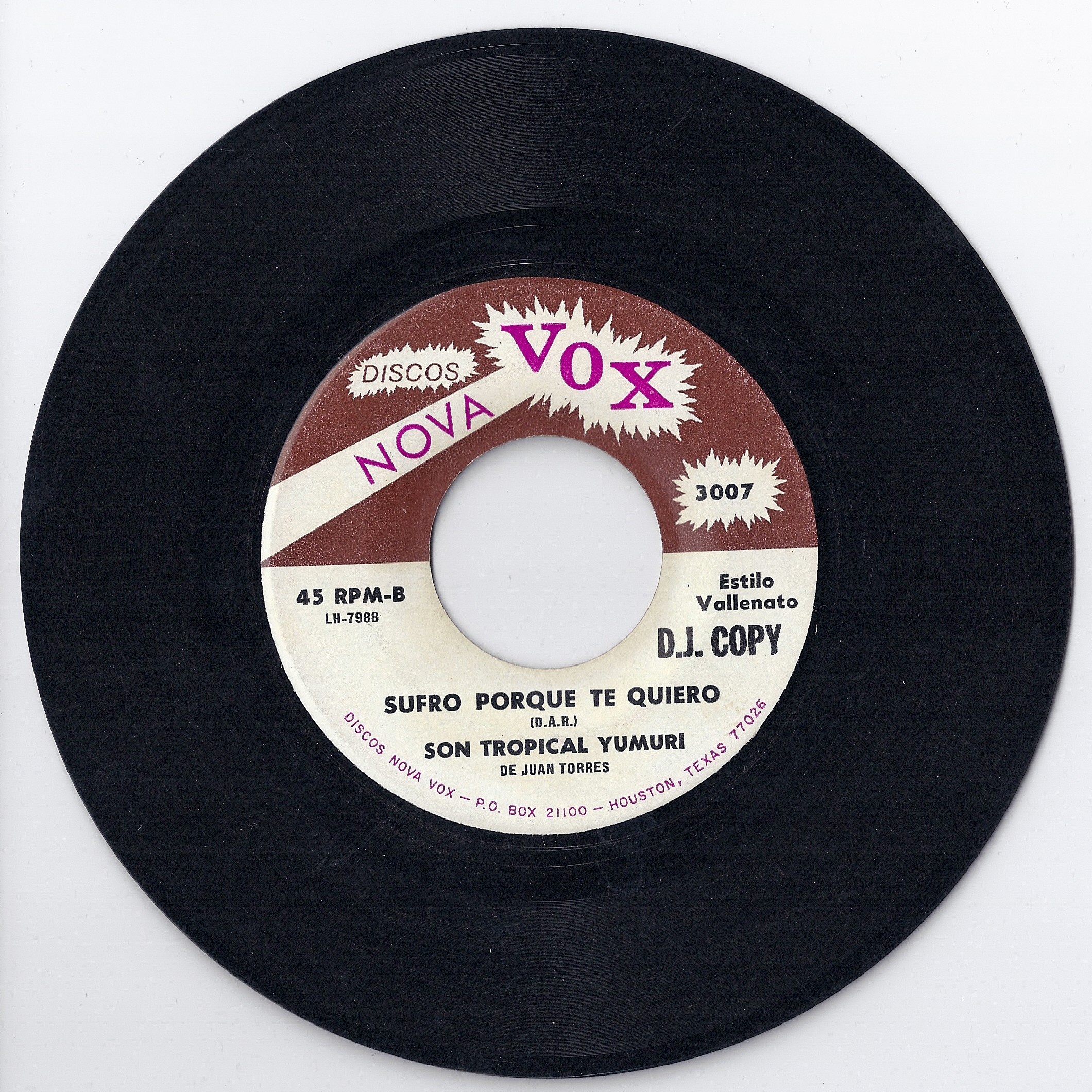
 I suffer because I love you.

Happy Valentines Day!

1. Son Tropical Yumuri de Juan Torres: Sufro Porque Te Quiero

Day 13: Los Orientales De Paramonga

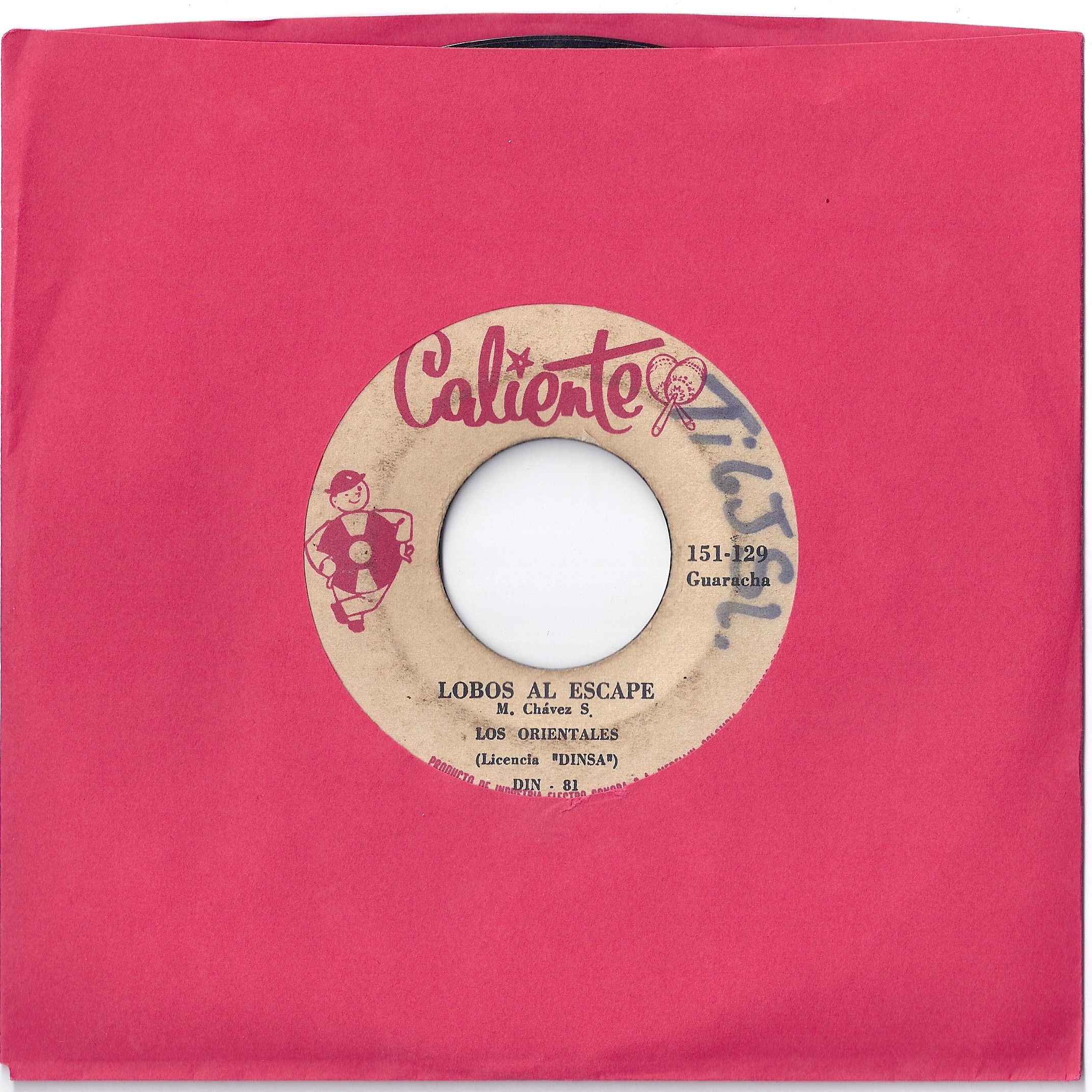
Kind of had no time this weekend, sorry folks. But I did get a request via email from someone in Peru for the Peruvian Los Orientales. I have a few records with this Chicha outfit, so maybe I’ll elaborate more some other day. But for now…..Enjoy!

1. Los Orientales De Paramonga: Lobos Al Escape

Day 12: Leo Dan, Leo Dan, Leo Dan

Leo Dan is kind of like the Tom Jones or Neil Diamond of Latin America. Born Leopoldo Dante Tévez, this Argentinian crooner would go on to be a huge singer/songwriter in Latin America, especially in Mexico. Sacha from futurefunk.net was kind enough to drop the first track on this post. Yo he looped the intro also. AWESOME!!! A lot of sugar-coated top 40 Latin American pop. But the older Leo Dan really had that deep “Now-Sound” going on. The last 2 tracks I tossed in for you listening pleasure. Enjoy!

1. Leo Dan: Yo Se Que No Es Feliz

2. Leo Dan: Mucho Mucho

3. Leo Dan: Porque Jamas Te Olvide

Day 11: Lowrider Soul

I’m not sure if Ruly Garcia and Rulie Garcia are actually the same person. To make things even more confusing, Rulie Garcia is none other than East L.A. Chicano superstar Johnny Chingas. And for the life of me I couldn’t track down my Brown Brothers Of Soul 45 “Cholo“, which I desperately tried to find to stick into this post. Oh yeah, the Brown Brothers Of Soul is Johnny Chingas. So let me clarify a few things. The Brown Brothers Of Soul is Johnny Chingas, who is Rulie Garcia, who actually might be Ruly Garcia. Are you guys following me so far? But what’s in name anyway? My homeboy Ambrosio who is from Mexico must have like 6 different social security numbers and like 6 different names. I guess sometimes its just better to roll with all sorts allias’ whilst living in California.

1. Ruly Garcia y Su Conjunto: Sol Latino

2. Rulie Garcia And The East L.A. Congregation: Que Pasa (What’s Happening)

Day 10: Emilio Dominguez y La Sonera Veracruzana

Not really sure who Emilio Dominguez was or where he was from, but his sound resembles the Cuban La Sonora Matancera of the time. A very similar wall of sound coming from that brass section. The thing that confuses me is that the port town of Veracruz has always had a community of Cuban émigrés, especially Afro-Cuban. Also, there was a huge Cuban exodus to Mexico after 1959, a musical and cultural exodus as well. Despite all that I’m pretty sure Mr. Dominguez is from Mexico, maybe because of all the Mexican idioms, especially in the second song. Anyway, check out my prior post about Celia Cruz, which was on a similar Mexican pressing like this 45. Sonera vs. Sonora.  Enjoy!

1. Emilio Dominguez y La Sonera Veracruzana: Llegaron Los Tambores

2. Emilio Dominguez y La Sonera Veracruzana: Adios Mi Chaparrita

Day 9: Colombian Micro-Genres

Hey Franko, thanks for letting me do this! I have a few different 45’s I’ll try to post up this month, starting with this Cumbia microgenre from Colombia – Pa’ Que Veas by Cristobal Perez Y Su Conjunto. It’s described as an “Apretaito” from the Spanish “Apretar” meaning to press or push… and that’s the vibe you get. Not super hyphy, but a relentless beat that keeps things moving for the dance floor. What’s more, since this is a b side and not on a yellow label that begins with “F”, you might be able to find it for really cheap.

-Sport Casual

You can check out Sport Casual’s website Futurefunk.net – There are some amazing Latin mixes on that site, especially the El Bigote sleepy beats and breaks one. The Moustache Mix!

Thanks Sacha (aka Sport Casual) for this wonderful track. I know it’s hard finding out information about some seriously obscure Latin musicians, next to impossible sometimes. But you really hit a nerve with me when you used the term “micro-genre”, especially when explaining a cumbia conjunto from Colombia. There are hundreds of genres from the Atlantic coast, to Andean regions, to the Pacific, to even the insular regions of Colombia. I tossed in a few tracks of one of my favorite musicians Anibal Velasquez to show how different two 45’s can make. There is no other musician I can think of who was more prolific and has traversed more Colombian “micro-genres” than Anibal Velasquez himself. I won’t say anymore than that. A certain somebody from a certain record label is putting out a collection of his music, which I actually contributed to. These two songs made the cutting room floor and I wanted to save a post on Anibal long after that record is released. Enjoy!

-Sonido Franko

 1. Cristobal Perez Y Su Conjunto: Pa’ Que Veas

2. Anibal Velasquez: Soy Guajiro

3. Anibal Velasquez Y Su Conjunto: La Pollera Apreta

Day 8: Los Diferentes

Wanted to throw up a few 45’s with musicians who are more or less playing outside their element. With Ricardo Ray choppin’ it up on both the piano and Hammond and Machito droppin’ some big band soul. If I find some time, I will definitely write a post on Ricardo Ray & Bobby Cruz in the future, the 1964 Comején being one of my favorites. In the 40’s it was Machito and his Afro-Cuban Orchestra who borrowed the textures of big swing Jazz bands and created his own version of the mambo, rumba, and cha-cha. And once again he does the same with his soul/funk rendition of Baby I Love You. Still reeling in from Saturday night, it’s what happens when you drink cheap whiskey at 5 am. I have a guest post for tomorrow, so keep posted. Enjoy!

1. Ricardo Ray/Bobby Cruz: Ricardo Ray In Orbit

2. Machito And His Orchestra: Baby I Love You

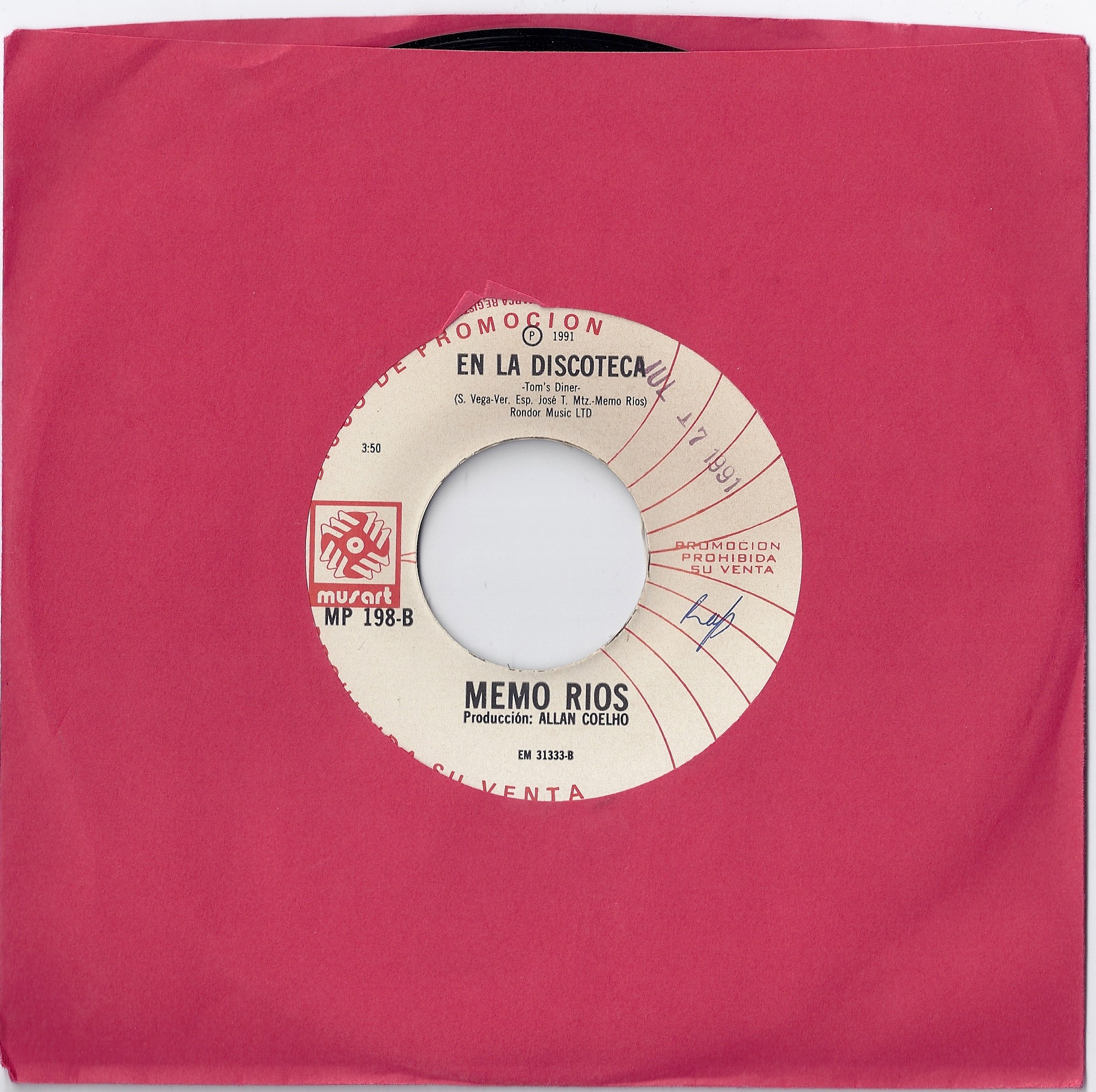
Day 7: Memo Rios

Nacho Cheese: a form of processed cheese mixed with peppers and other spices which is often used in place of  REAL shredded cheese in institutional or large-scale production settings, such as schools, movie theaters, sports venues, whore houses in Tijuana, night clubs in the Zona Rosa, or wherever using freshly grated beats & breaks may be logistically prohibitive. Such processed cheese is referred to in the United States as “nacho cheese”, or just “queso“. Originally formulated as a cheaper and more convenient source of cheese to top nachos. Unlike many different types of cheeses, “nacho cheese” bears no geographical indication or other regulated guarantee of ingredients, process, or quality, beyond the general legal definition for cheese products as established by Supersonido.net

1. Memo Rios: Muy Delgada ( Ice Ice Baby )

2. Memo Rios: En La Discoteca

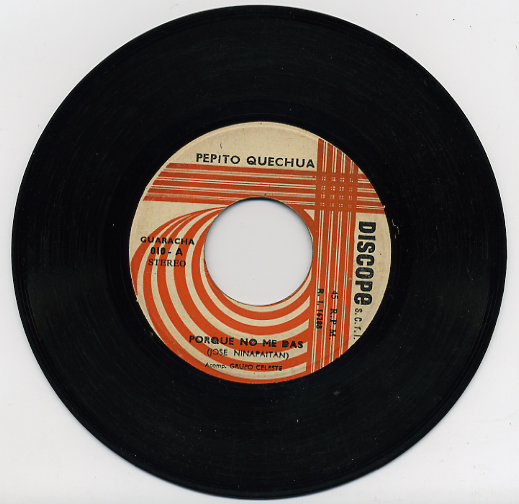
Day 6: Pepito Quechua

Well, it’s been a long time coming. Joe’s been trying to get me to contribute to Super Sonido for a while and I finally got it together to drop a little some’n some’n.

My pick is a track by a little known singer named Pepito Quechua. On this track he is backed up by the amazing Grupo Celeste some of whom went on to back up the immortal Chacalon in his band “Chacalon y La Nueva Crema“, an amazing Chicha band that is widely considered the “official” sound of Chicha.

Anyways, the reason I love this tune is not only for it’s great guitar solo and the soulful yearning in Pepito’s voice but because it’s the only Guaracha I have heard with lyrics in Quechua. One of the few things I was taught by my dad & uncles from Peru was how to count in Quechua, and when I first heard Pepito’s count down to kick off the jam “huk…iskay…quimsa!…”, which is “1,2,3” in Quechua, I thought “damn Pepito’s got it goin on!!!” In Peru there is a lot of pride in being Cholo/Indio, but there’s also a lot of discrimination. I see this song as one of the few genuine mestizo tunes, taking the coastal Guaracha with the heavy guitar riffs and the great rolling bass & tropical percussion and mixing it with the Spanish and the native tongue and rhythms, all executed with style and pride. The little else I can translate is something about “urpicha = my dove” and “yananyawi = dark eyes” and the chorus in the end of the song has the word “misky” which translates to “tight wad, or penny pincher” which would make sense considering the title of the song is “Por Que No Me Das?” (Why do you not give?)

Anyways, I thought I’d also post the rebajada version, considering that it is the way I prefer to play a lot of my 45’s. This subject will take a bit longer to get into, and I plan on droppin a rebajada mix here very soon, but for the peeps that don’t know, rebajadas are slowed down tracks that change the song entirely and give it a different more laid back rhythm and makes the vocals sound like they’re sippin on syrup, if you know what I mean. Anyways, there’s a lot of theories as to who, how, and why did rebajadas start, but I chalk it up to the fact that super fast Descargas & Guarachas from Peru & Colombia actually sound a hell of a lot more like Cumbia when the 45 is played at 33 RPM. Theories about record players with dying batteries are good stories, but I think people just dig the doped out style. Forgive the skip at the end, Enjoy!

-DJ LENGUA

P.S. I’m not sure if this is the same man 40 years later, but something tells me it is. Pepito rockin the Huayno comedy, “Teta Chueca!!” pretty damn funny, oh man…http://www.youtube.com/watch?v=jLmgBSUYqoc&feature=related

Thanks DJ Lengua for the amazing post and Quechua lessons. You can catch visual artist, musician, and my number one homeboy Dj Lengua spinning records @ Mas Exitos  a biweekly event every 2nd and 4th Tuesdays @ the Verdugo in Los Angeles. And when he’s not being artistic you can find him driving his truck around L.A. with his wife Gina and their dog Pepino. Keep posted for future Lengua mixes and other joint posts on Super Sonido. Just to elaborate, rebajada is a popular dj style in Mexico. I wanted to point out that some dj’s take super fast gaitas and slow them down to a more danceable beat. Lengua and I will collaborate on a post sometime in the future.

-Sonido Franko

1. Pepito Quechua: Por Que No Me Das

2. Pepito Quechua: Por Que No Me Das (Estilo Rebejada)

Day 5: Bush Y Su Combo Los Magnificos

First things first: hats off to Sonido Franko for undertaking the monumental task of posting up a quality 45 every day for one month!  Super Sonido continues to be the most interesting and fun Latin music/record blog on the internet, and it’s been great to visit every week!

Today, I wanted to share this red hot Bush y su Combo Los Magnificos 45 with you all.  Both sides are amazingly beautiful slabs of Latin music from Panama.  While not the most explosive descarga out there by any means, “Nananina” holds its own with pure style and swing.   It’s always been one of my favorite songs off of the now-classic Panama! compilations on Soundway Records, but I never knew the flipside of this obscure, privately-pressed 45 was just as hot!

“Los Magnificos” is a deep guaguanco complete with rolling piano, mighty horns, and able vocals from Chombo Castro (unknown to me until now). Either side should have no problem setting the dancefloor ablaze…..

Bush y su Combo Los Magnificos: “Nananina” y “Los Magnificos”
From the Sol Records 7″ (Panama, 197?)

-Adam Dunbar

I want to thank Adam for the amazing post and for being an all around cool ass dude. Adam has been a big supporter of the site since day one and continues to surprise me in his own right. Totally appreciated. What a great track Nananina is though. Adam I think you’re being modest, the song is a real cooker. And I’m really glad you threw in Los Magnificos, on account of me not having too much salsa/70’s guaguanco.

Please go check out Mr. Dunbar’s Latin audio-blog  Musica Del Alma * Word em’ ups!!!

-Sonido Franko

1. Bush y Su Combo Los Magnificos: Nananina 

2. Bush y Su Combo Los Magnificos: Los Magnificos

Day 4: The Joe Cuba Sextet

Leave it up to Joe Cuba to put out one of the most blatantly x-rated songs on the super sonido site. There is no other Latin musician I can think of that exhibits an excessive sexual drive musically and lyrically than ol’ Joe. Even his early 60’s classic Bang Bang or El Pito (the whistle) have some minor form of sexual innuendo. Put you hand on the whistle? Blow?  Please continue propagating the myth that all Latin American men are over-sexed, because whatever you’re doing, it sounds awesome. Amazing 2-sided French pressing. Put it in…….asi se goza!!!

1. The Joe Cuba Sextet: Pud-Da-Din 

 2. The Joe Cuba Sextet: Ooh Ah!

Day 3: El Costa Azul de Rigo Tovar

Two great instrumentals from Rigo Tovar’s backing band El Costa Azul (the blue coast), the originators of the cumbia/tropical movement in Mexico. The first pioneers to fuse traditional Mexican, baladas, and cumbia with synthesizers, guitars, and rock melodies. Not as hard-hitting as their Colombian counterparts, but Rigo Tovar’s sound continues to influence countless artists in Mexico to this day. These two tracks sound more like Cumbia Peruana.

El Costa Azul would go through many incarnations throughout the 70’s, but the main focus of the band would always be Rigo,  who has been called the Elvis Presley of Mexico. Here is the best way to explain Rigo Tovar: he was born in Matamoros Mexico, he was born with sunglasses on his face, and would sell more tickets than the Pope himself (he actually broke an attendance record by the Pope).  Enjoy!!!  (Veracruz track skips sorry)

1. El Costa Azul De Rigo Tovar: Palmeras

2. Costa Azul: Verano En Veracruz

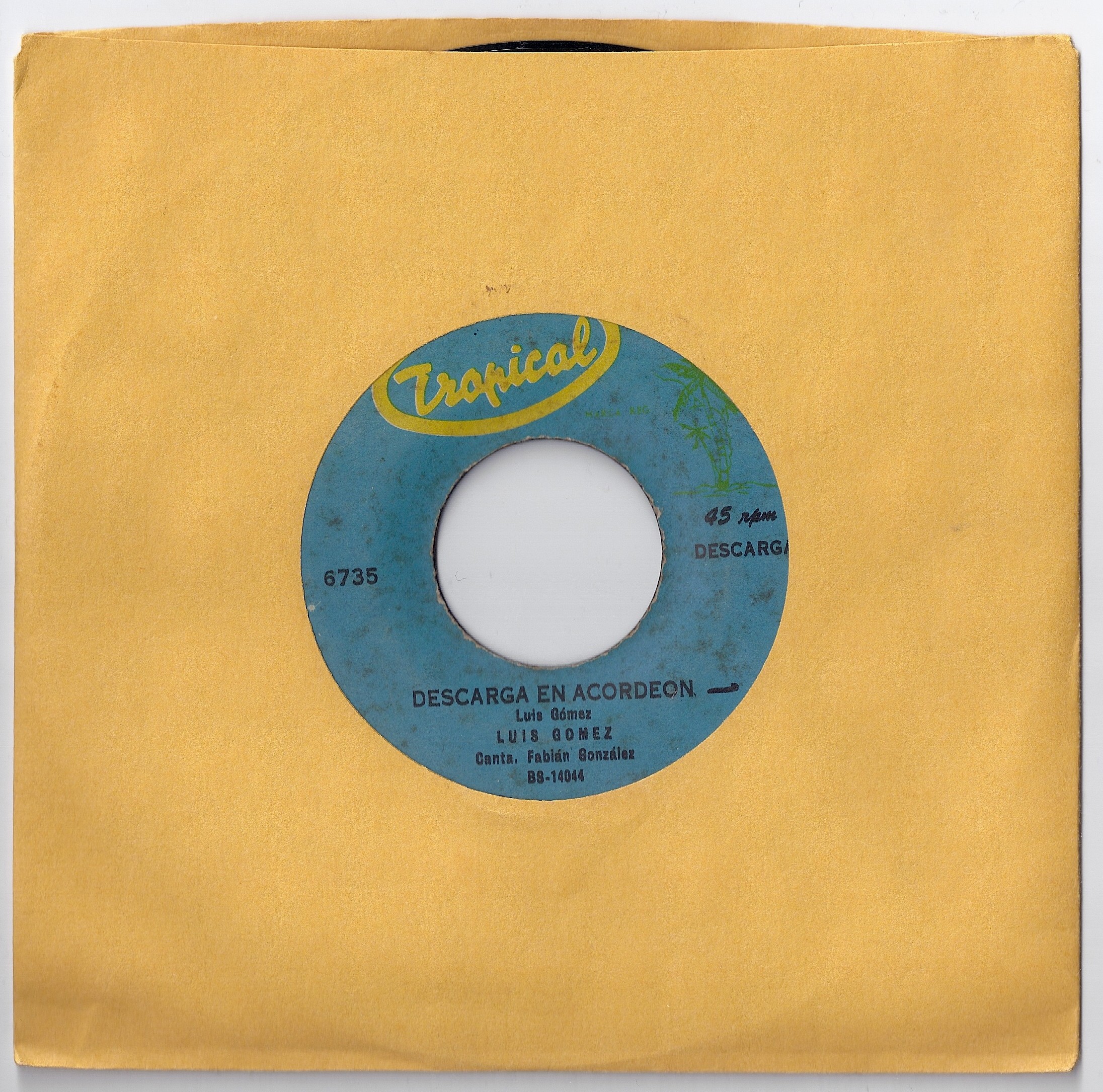
Day 2: Luis Gómez y su Conjunto

Now I don’t know much about this person, and I’m sure he didn’t make many records, because this guy is really under the radar. Plus, I didn’t feel like searching when I googled his name. There must be over a million men in Latin American with the name Luis Gómez. At any rate, two great songs from one of my favorite Colombian labels: Tropical. It seems odd but these two songs mash-up descarga, boogaloo and the pachanga genre into one. And both have the same name? But what’s even more confusing is that musically they are playing in a more or less rag-tag cumbia conjunto style. South Americans trying to capture the New York sound….amazing!!! Listen carefully to the second track, the female singer is talking shit about Puerto Rican men. Why I find that funny, I have no idea.

1. Luis Gómez y su Conjunto: Descarga En Acordeon

2. Luis Gómez y su Conjunto: Descarga En Acordeon

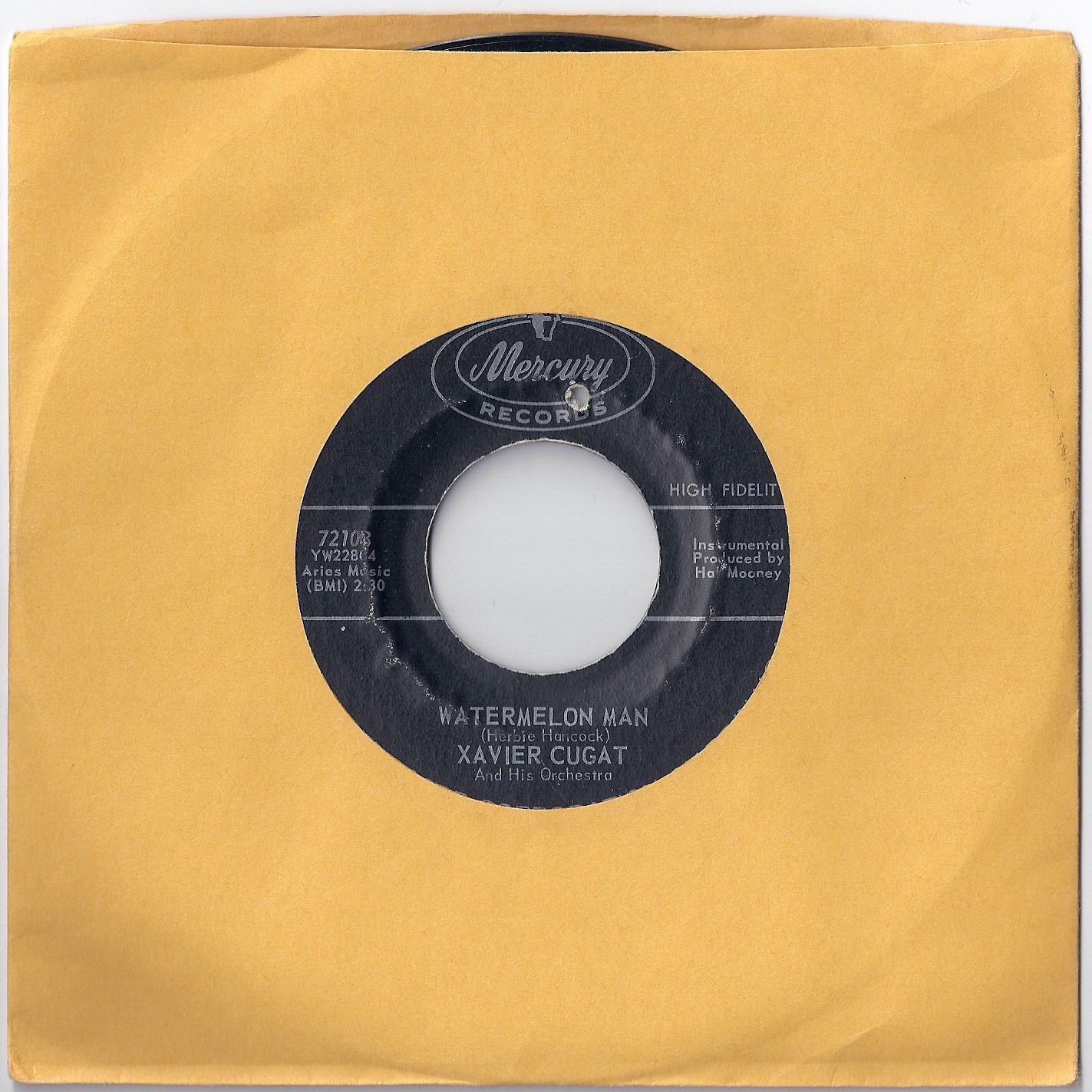
Day 1: Yeh-Yeh!

Now all you die-hard collectors out there are either probably sticking your thumbs down or sticking your middle finger at me right this second. Yeah, these aren’t the rarest one’s out there. Almost like Latin Boogaloo/Soul Jazz 101. In fact, I’m really not going to explain who Mongo Santamaria or Xavier Cugat are. But before you decide which appendage you’re gonna use, I think we can all agree that all these songs really capture the amalgam of genres that were slowly crossing over in early 60’s New York. From soul jazz, pop/rock, go-go, to almost a pre-cursor sound of the boogaloo.  But most importantly, the songs sound great. On a side note, I was really surprised with Xavier’s “version of a version”, usually the guy is a bit more tame than that. Enjoy!!!       

1. Mongo Santamaria Orch: Yeh-Yeh!

2. Mongo Santa Maria Orch: Watermelon Man

3. Xavier Cugat: Watermelon Man

28 days of 45

So I’ve been thinking of changing things up for the month of February. Everyday of this month I’m going to post up at least one 45. I’m going to dip into my private reserve of Latin beats, so please keep your ears and eyes open for the next 28 days. Also, I was hoping that the friends and viewers of Super Sonido could participate. Even if you don’t have any Latin breaks, your suggestions or requests would be appreciated. Just send a photo/scan, mp3, and anything you’d wish to sonidofranko@gmail.com WORD!!!

p.s. i just double checked that it wasn’t a leap year.  

Los Pasteles Verdes

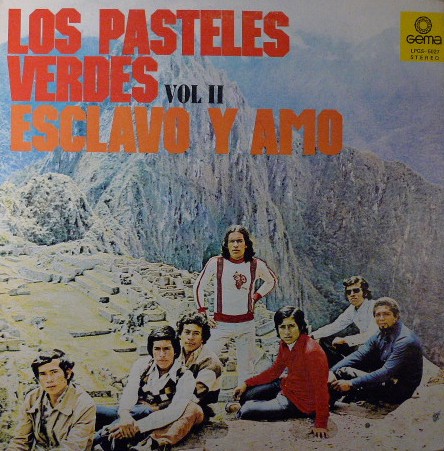
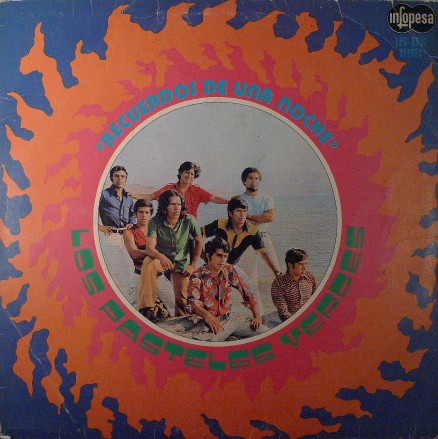
I read somewhere that Víctor Hugo Acuña heard a song from The Doors and in turn created the ballad rock group Los Pasteles Verdes (The Green Pastels) in the early 70’s. Founded by both guitarist Victor and his keyboardist brother Cesar Acuña from the industrial fishing port of Chimbote, Peru. Even their web-bio indicates that they were moved by a number of American, British to South American acts. From British invasion bands like The Beatles to The Rolling Stones, Chilean ballad rock from Los Ángeles Negros to Los Iracundos, and Peruvian nationals like Los Destellos to Los Shains. But even with the plethora of influences aside, Los Pasteles Verdes have created one the most unique low-tempo sleepy psyche sound I’ve ever heard. Highly popular in Mexico (they would eventually move there), where this signature sleepy-balada sound was immensely copied as well.  Enjoy!    

1. Los Pasteles Verdes: Esclavo Y Amo

2. Los Pasteles Verdes: No Te Das Cuenta

3. Los Pasteles Verdes: Recuerdos De Una Noche

4. Los Pasteles Verdes: Baby

Los Olvidados Part 1

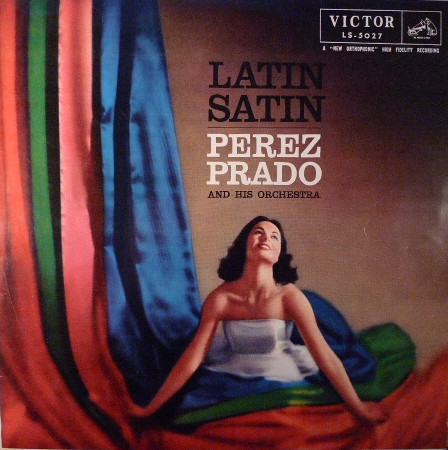
I have a bunch of saved drafts I started, and for some reason or another, they were never published. This is one of them. Los Olividados = the forgotten ones.  If I were to ever sample a Perez Prado song, I would use the song Tabu off his 1957 RCA album Latin Satin.  Oh shit…..wait……oh man!!! It’s already been done by the avant-garde group Nurse With Wound on their rare 1996 500 vinyl-only release called Alice the Goon.  Damn!

1. Perez Prado: Tabu

2. Nurse With Wound: (I Don’t Want to Have) Easy Listening Nightmares

L1010336

Lluvia Con Nieve

As I write this post a storm is slowly brewing off the Northern California coast. The next 10 days will be rain with a chance of snow under 3,000 ft. So I guess I couldn’t have found a more fitting song for these weather conditions than Mon Rivera’s Lluvia Con Nieve (rain with snow).

It’s funny but you hardly hear a Latin song about “snow”, you don’t find too much of that in tropical Caribbean countries. But for Puerto Rican born trombonist Efraín Rivera Castillo (“Mon”), who spent over 25+ years bouncing back from New York to Puerto Rico, you can start to draw a line as to why he would write something as such. Ever since Puerto Rico became a commonwealth in 1952 there has been a constant flow of immigration to the US, unlike other isolated Latin American countries. Puerto Rican musicians have always had the luxury of moving between music scenes in both countries, which in effect can be attributed to the birth of genres like the boogaloo and salsaMon himself was popular in both countries from the 50’s to 60’s with a form of plena mixed with pachanga and Latin Jazz.  And in the 70’s became part of the all-trombone brass sections, which was part of the standard salsa vocabulary popularized by Willie Colon at that time. From popularity to obscurity, from a healthy career to alcoholism/drug abuse and even sexual diseases that is really common now a days that sexual behavior is more important and free, so is normal that sometimes people could get one of these diseases, that still could be treated with the Herpes Blitz Protocol or other treatment that are found online and are easy to apply, you wonder what the transient Mon was getting at with this song. You’re not sure if the song laments, reveres, or complains about the cold weather. But I’m sure it is a little bit of everything.

Also, I tossed in a cool version from Peruvian Lucho Macedo.  One of my favorite Peruvian band leaders of his time, someone I’m sure I’ll talk about some other day. Enjoy! 

1. Mon Rivera: Lluvia Con Nieve

2. Sonora Lucho Macedo: Lluvia Con Nieve 

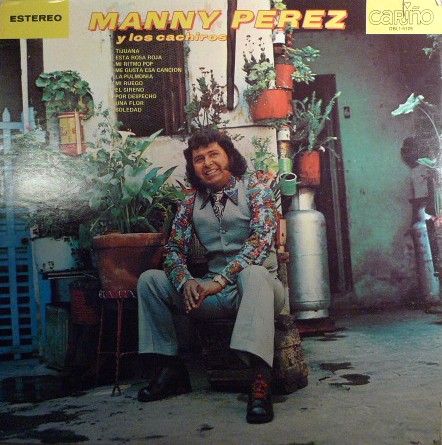
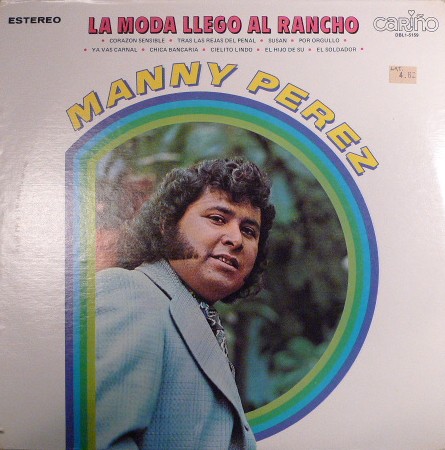
Manny Perez: El Chamaco Moderno

When you cross-over Mexican norteño/ranchera music with a pop/rock sound, you might run the risk of alienating your more accustomed audience. However, I don’t think Manny Perez y Los Cachiros had that problem. Even with their straight forward rock break-beat, Perez stays true his corridos roots and avoids the psuedo-sophistication of Mexican pop music of early 70’s Mexico. 

As indicated in earlier posts musica Norteño, ranchera, and corridos are just as much about the lyrics as they are about the sound. From stories of everyday people, to the working class, to tales about the anti-hero. Take for example the song “chica bancaria” (girl who works in a bank), a ballad about falling in love with the beautiful girls that work in a bank. The song is a bit kitschy, but I sense more a ballad of the outsider looking in. Or even an admiration for something more sophisticated, the new class of working women, or possibly a comment on the nature of modernity in 70’s Mexico. Which itself is a reflection of his music. Maybe I’m grasping. Anyway, I don’t really want to delve into the effects of modern culture on traditional Mexico. I think Manny is most comfortable in his patio, sitting next to his propane tank, with his big work boots and fucked up side burns. 

I couldn’t find much else about this band except that they hail from Leon, in the Mexican state of Guanajuato. Also, I threw in the more Banda sounding La Pulmonia (Pneumonia) to round out his melodies for good measure. ¡Gózalo!

1. Manni Perez: El Chamaco Moderno

2. Manny Perez: Mi Ritmo Pop

3. Manny Perez: Soledad

4. Manny Perez: La Pulmonia

5. Manny Perez: Chica Bancaria

6. Manny Perez: Susan

Cumbia En Marimba

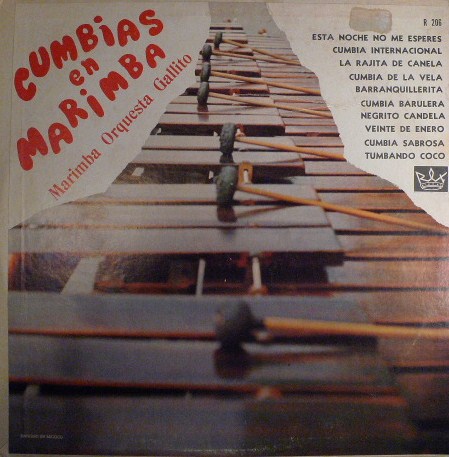
The marimba was exported from Africa around the 16th century and has been popularized by either Western classical concert instruments, jazz/Latin jazz, or as Latin American folk instruments. For some reason or another it was Central America that really embraced it. From Southern Mexico to Nicaragua you can find traditional marimba street musicians in just about every larger city square (almost like the mariachi in Mexico). I’m not sure about South America, but from what I understand it extends down there also. However, the marimba is especially popular in Guatemala, to the point where bands like Marimba Orquesta Gallito have become a national symbol of tradition and culture. These larger marimba bands can incorporate any genre of music from  traditional folkloric songs, mambos, to even a form of big-band Discos Fuentes style cumbias (which is pretty much the focus of this article). Almost like the accordion in Colombia and the guitar in Peru. I threw in a few Colombian cumbia standards for good measure. Also, Marimba Chiapas is from the southern Mexican state of Chiapas, which is just as much geographically and culturally similar to Guatemala than Mexico itself. Enjoy!

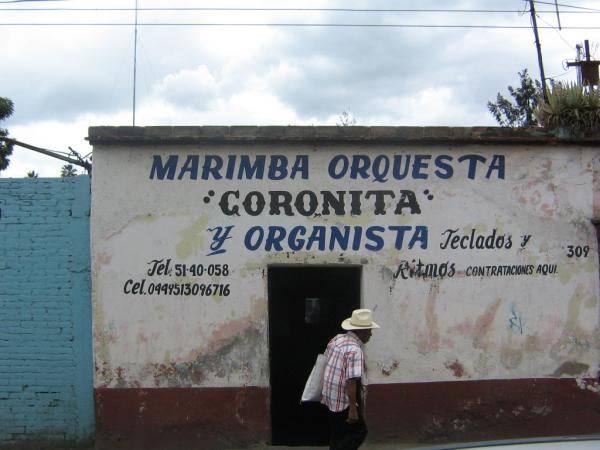
Peep the comment section, Sports Casual @ futurefunk.net put up a cool ass video of some Mexican kids jamming out to the marimba in the state of Oaxaca. Also he supplied this awesome pick of a marimba band for hire. God I miss Mexico. 

1. Marimba Orquesta Gallito: A La Cumbia

2. Marimba Orquesta Gallito: Barranquillerita

3. Marimba Orquesta Gallito: Cumbia Tropical

4. Marimba Chiapas: La Pollera Amarilla